Paper-cut Art Workshop & Lakeshore Libraries / SSDesign
Project: Cultural Architecture
Context and the Challenge of Rural Revitalization
The implementation of the “beautiful countryside” policy has brought a significant environmental transformation to villages like Bulu Town, located near the Yongan River. This settlement faces a dilemma typical of modern rural development: the coexistence of a newly built market town alongside a traditional village that has been largely abandoned by the youth, leaving an elderly population in increasing isolation. The project aims to renovate old buildings at a very low cost, aligning with government goals to rebuild property value while preserving the historical vitality of the area. By focusing on sustainable regeneration, the initiative seeks to satisfy current developmental needs without erasing the cultural identity that defines these ancient communities.
Strategic Planning and Social Infrastructure
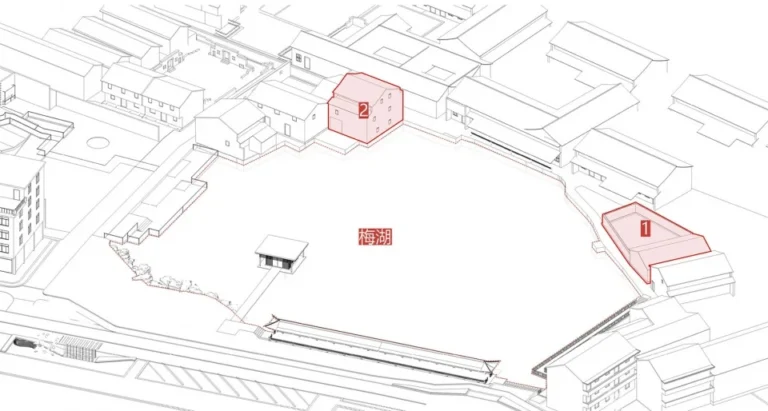
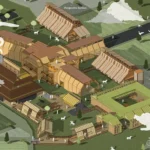
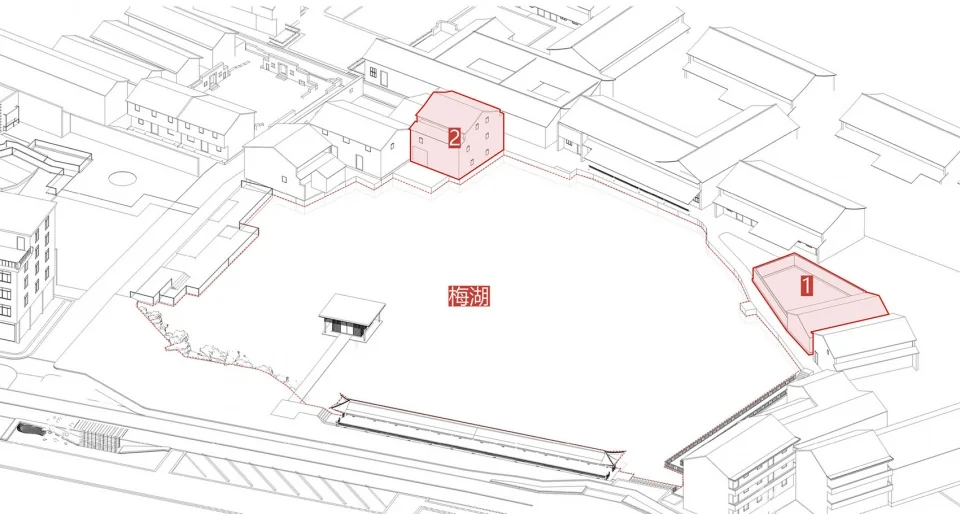
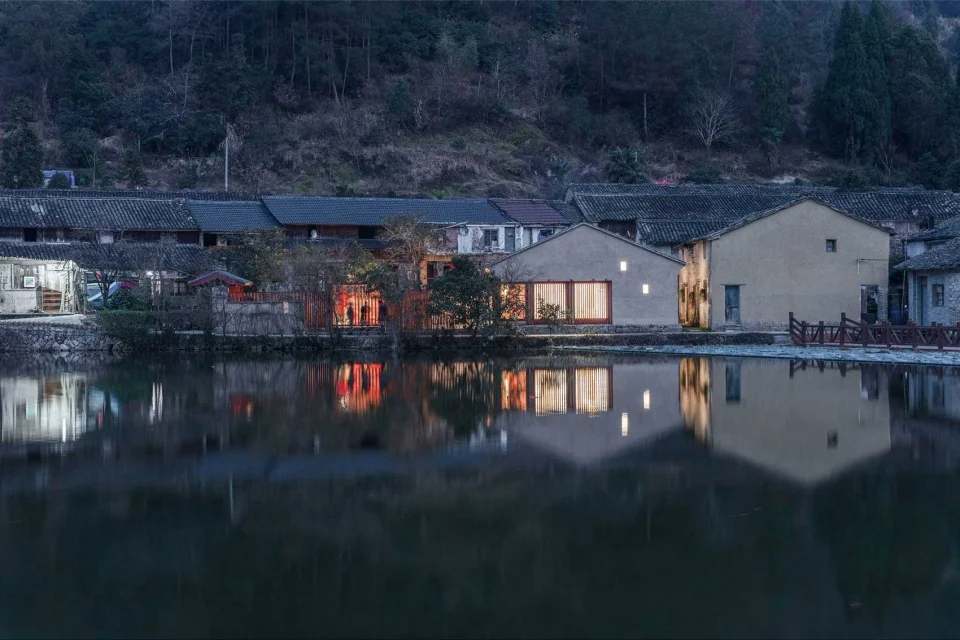
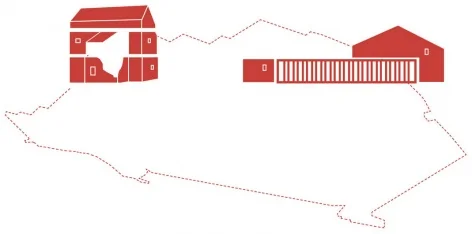
Field surveys in Bulu Town revealed a critical lack of after-school learning spaces for children, leisure areas for villagers, and exhibition venues for local paper-cut artists. In response, the government prioritized the construction of non-profit public spaces, which often presents a budgetary challenge. After improving foundational municipal facilities like roadbeds and network infrastructure, the focus shifted to the lakeside area of Mei Lake. Two specific buildings were selected for reconstruction to serve as communal landmarks. These interventions were designed to be cost-effective—costing around 100,000 Yuan—ensuring that the investment felt appropriate relative to local economic levels and avoided the friction often caused by large-scale, inefficient urban projects.
The Paper-cut Art Workshop: Transparency and Tradition
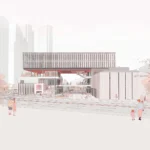
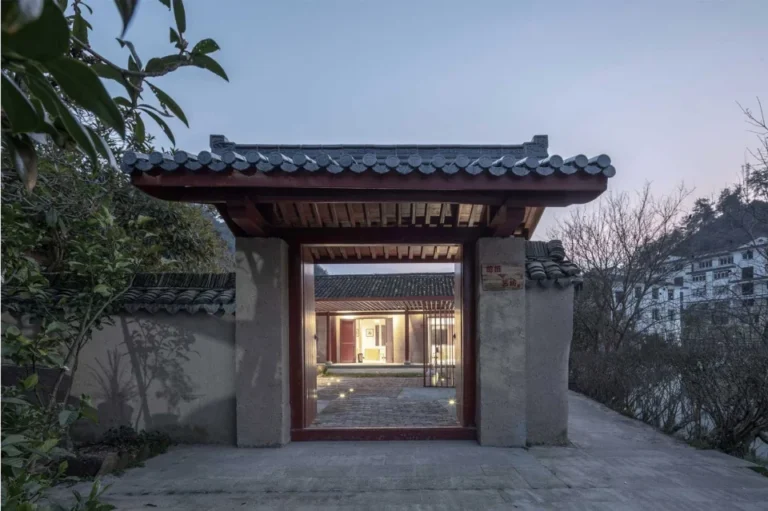
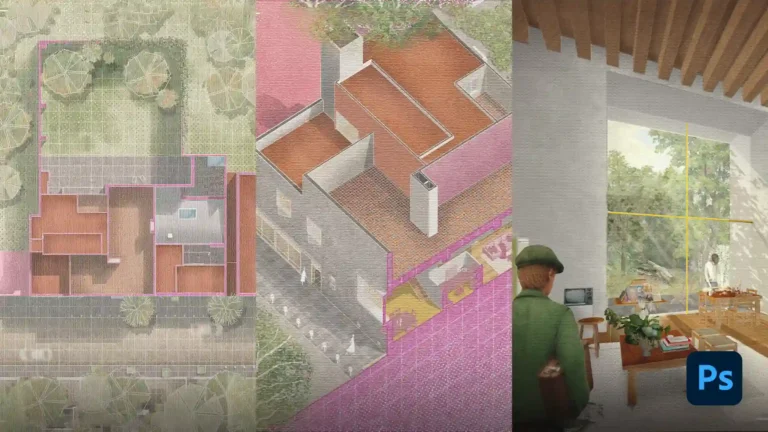
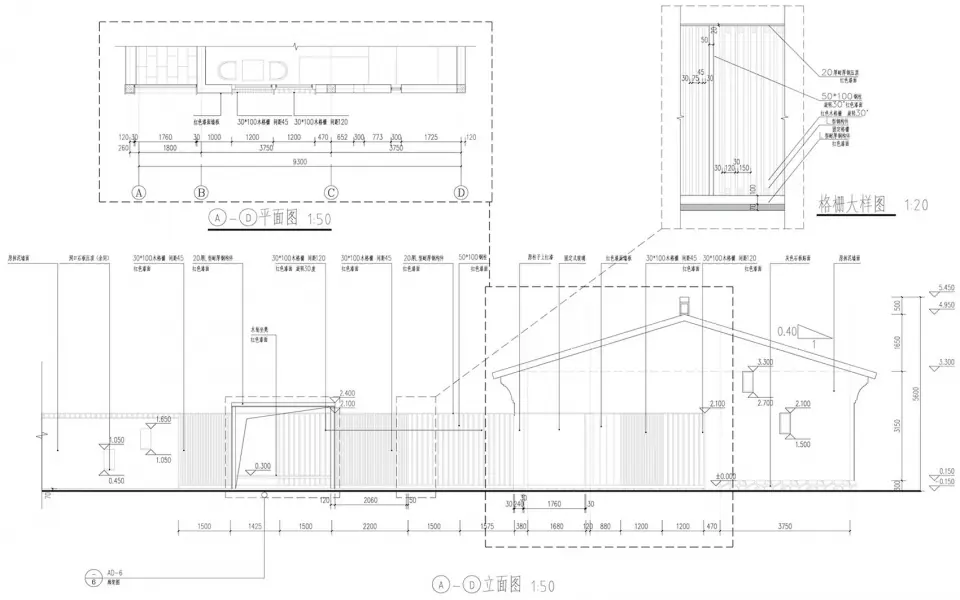
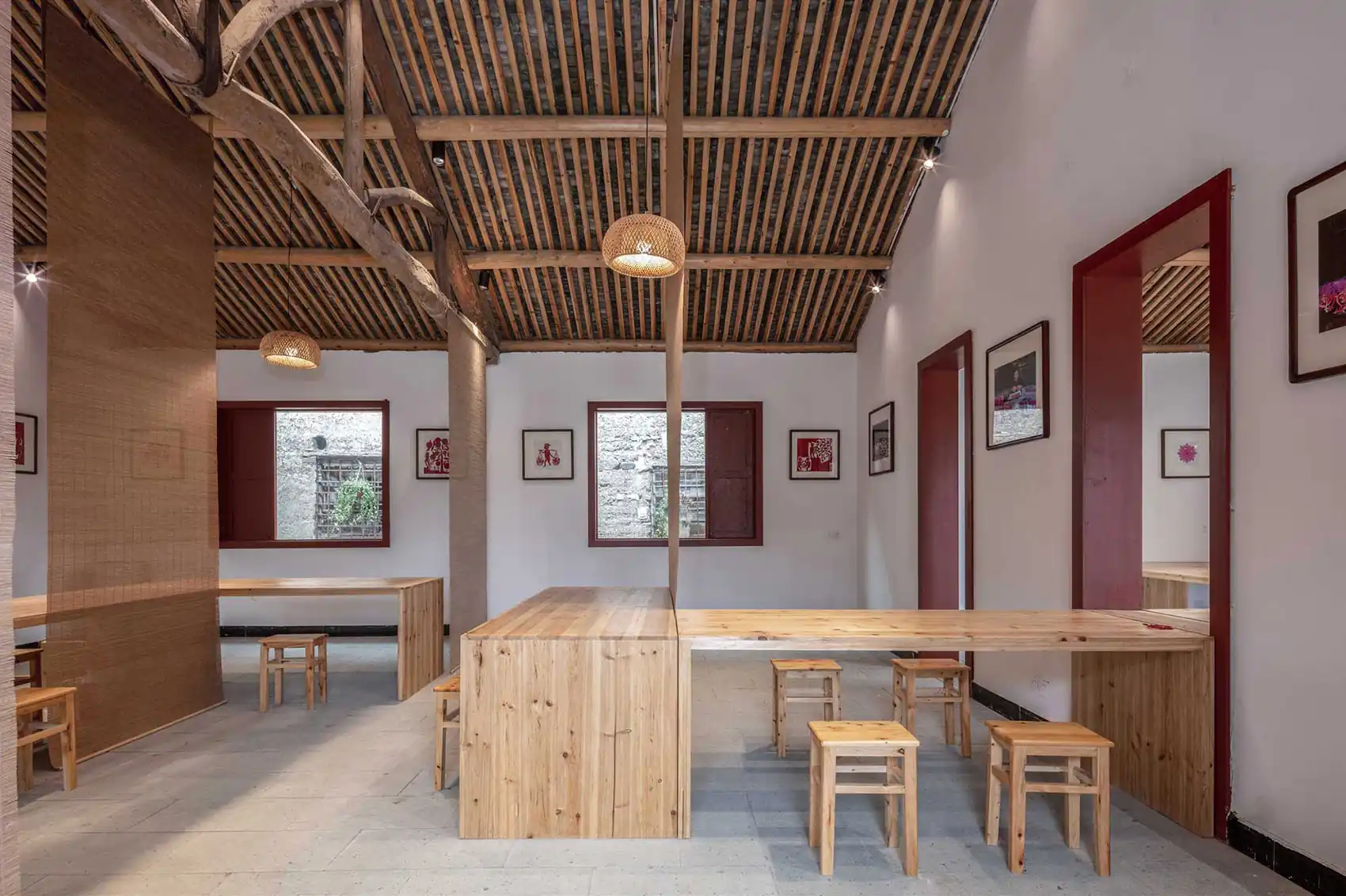
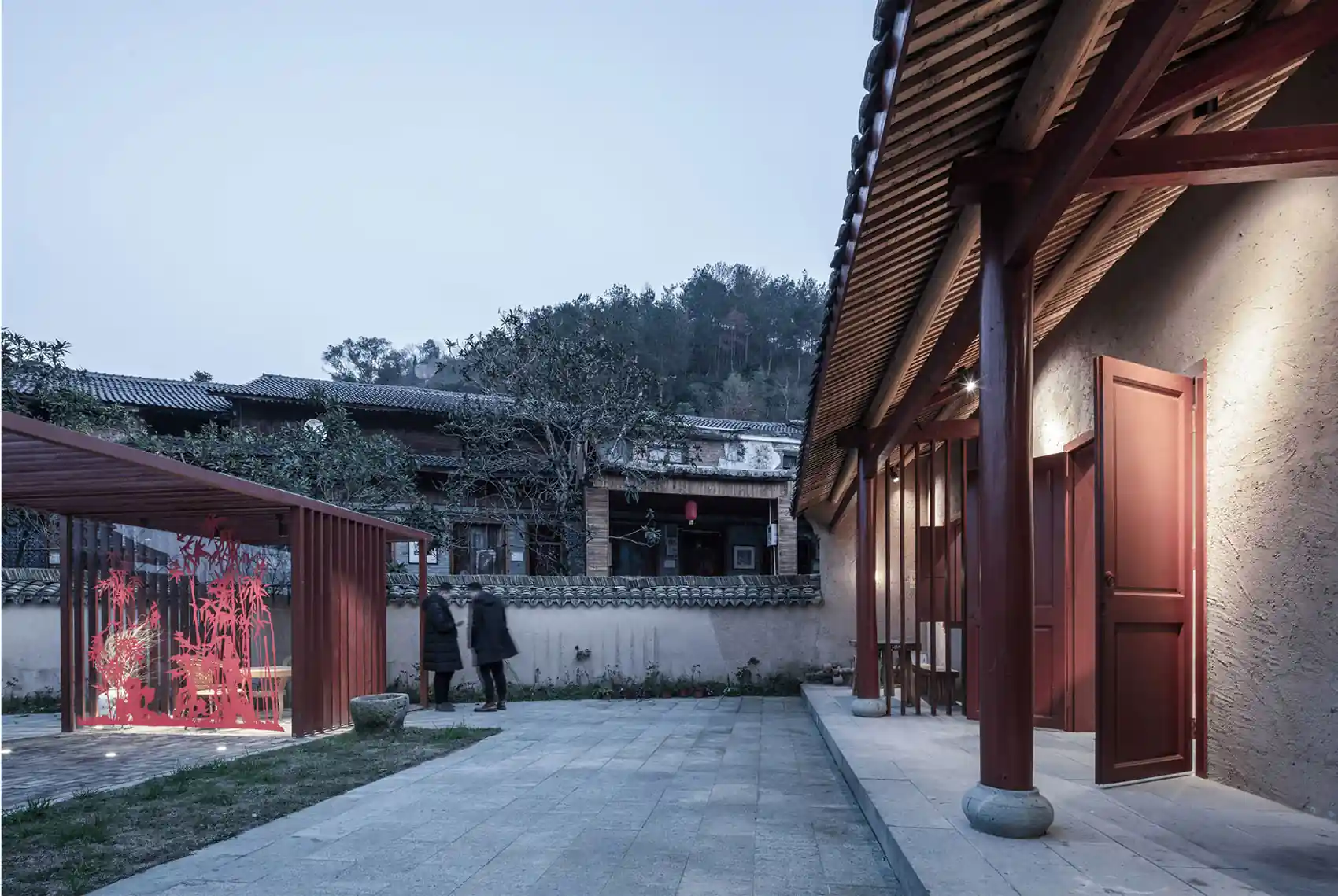
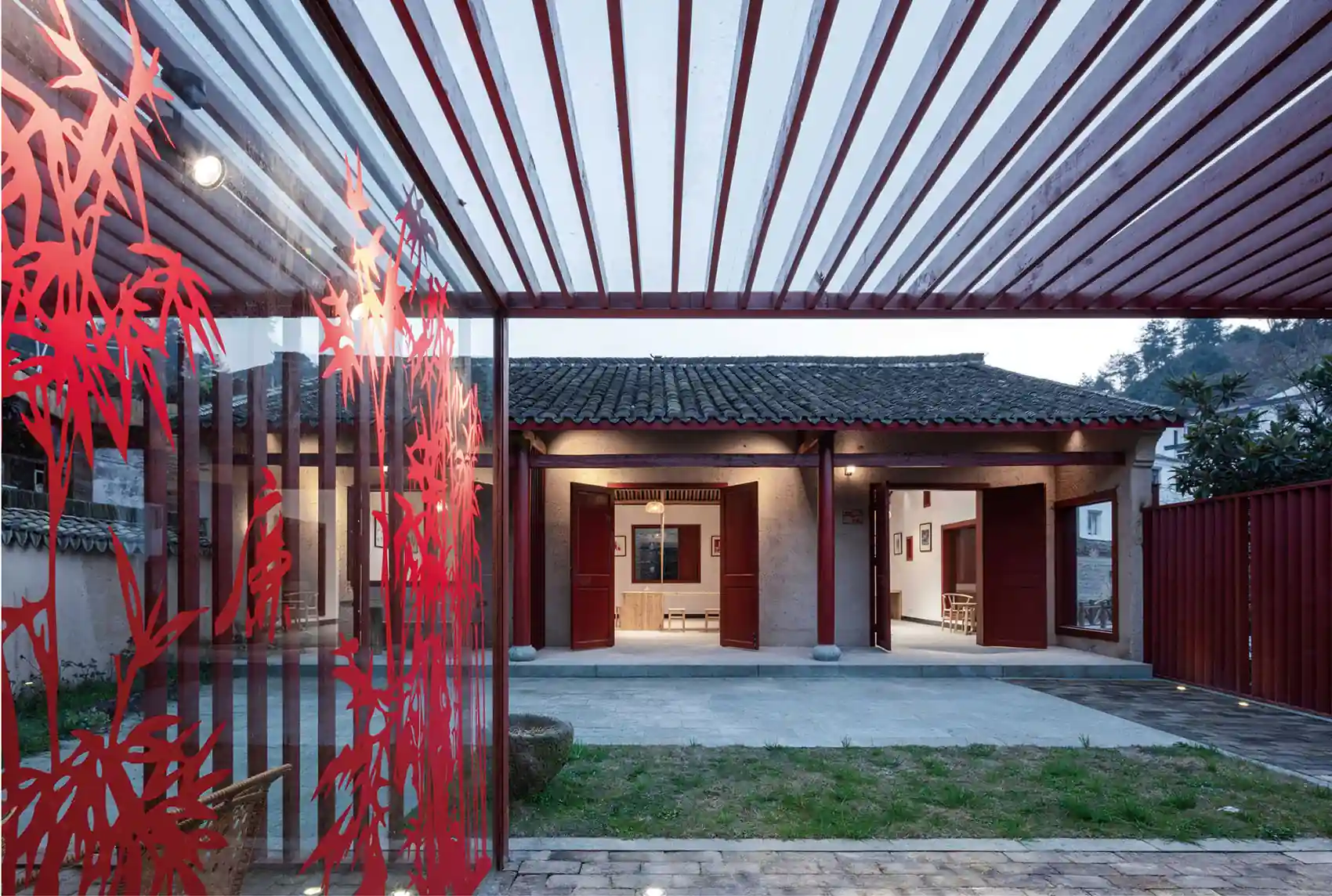
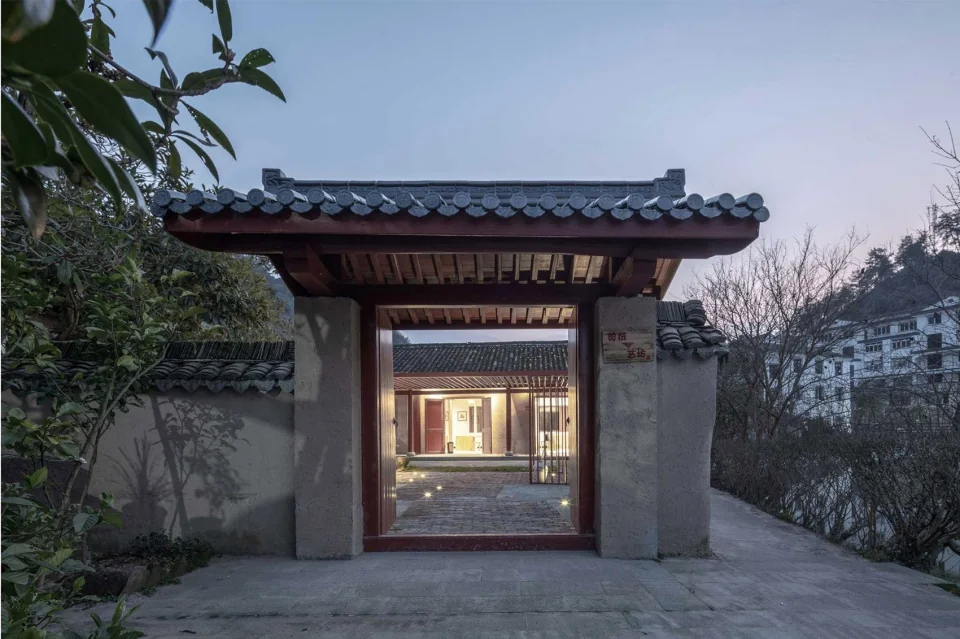
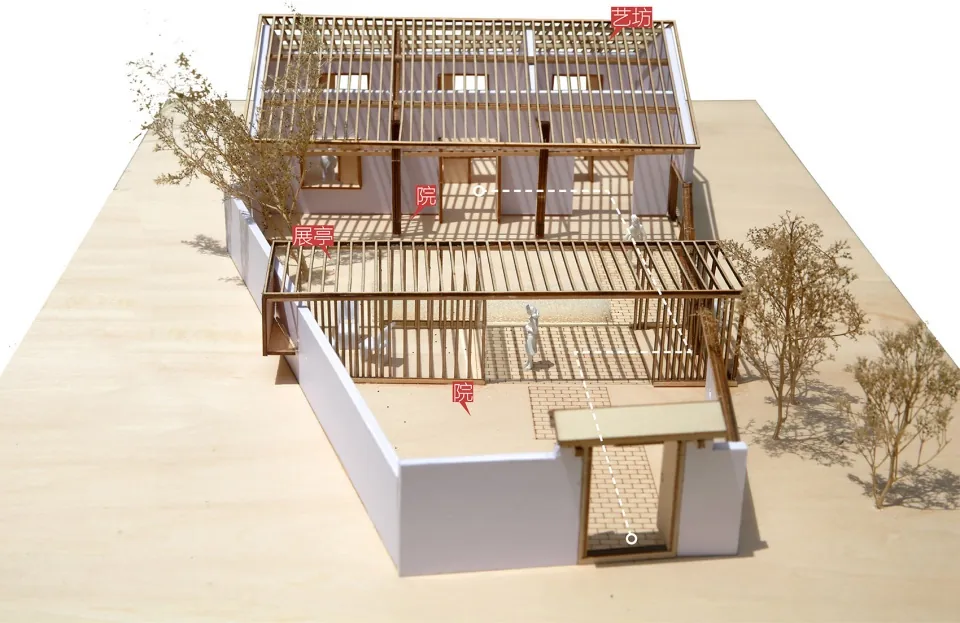
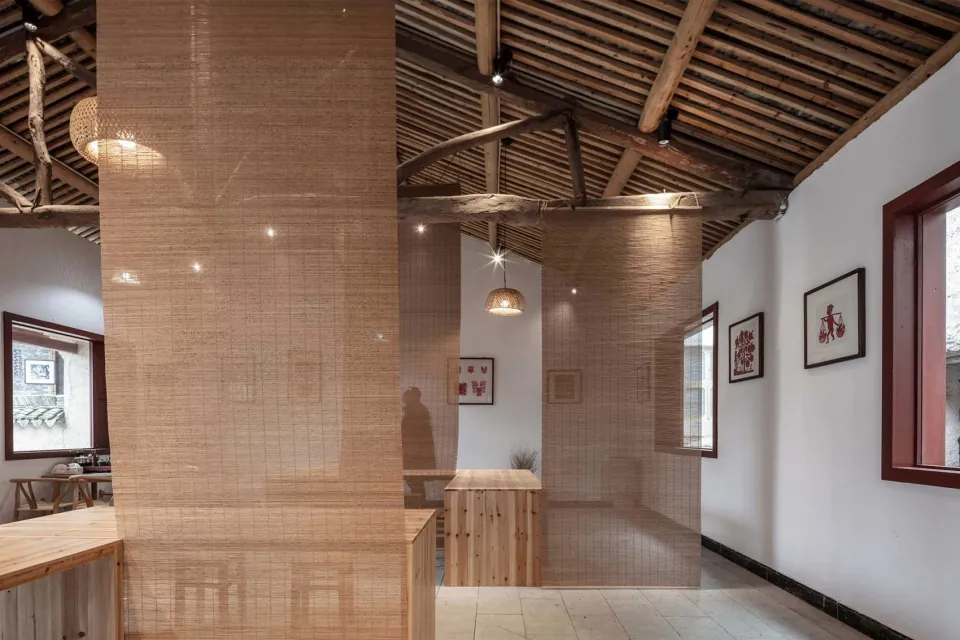
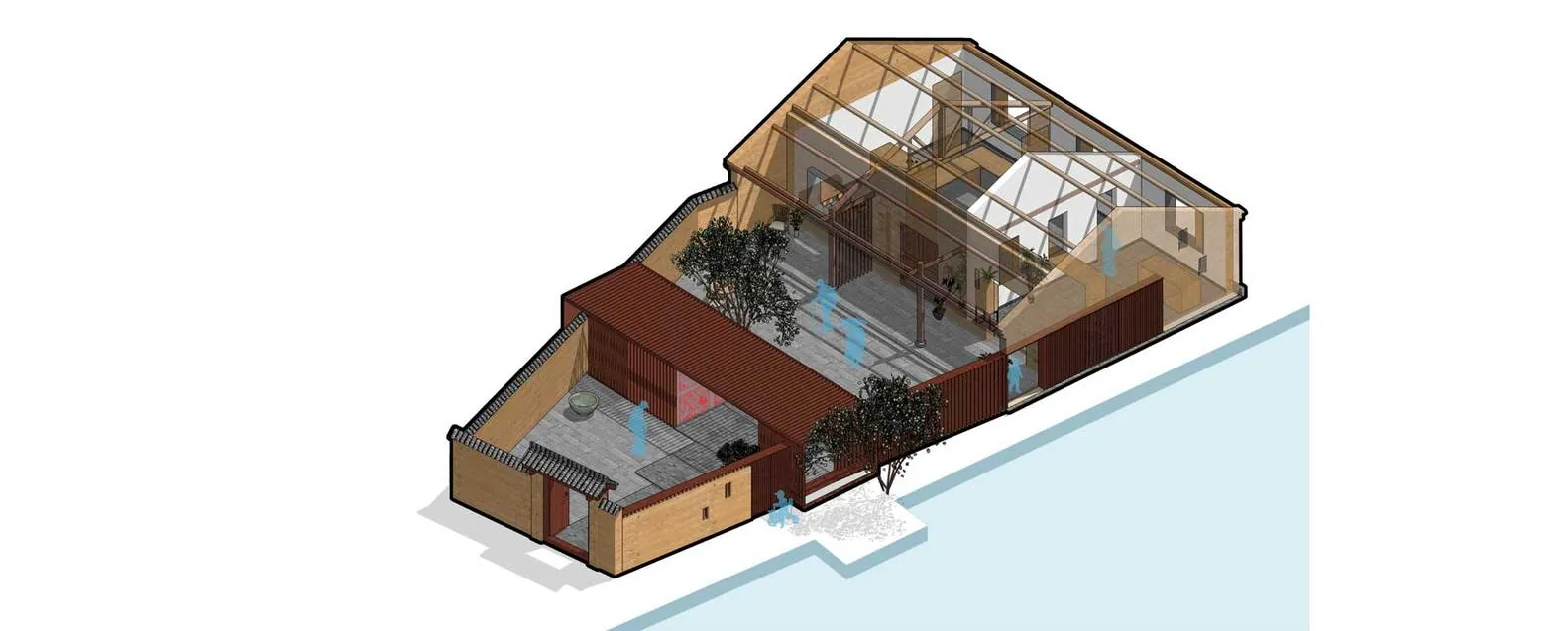
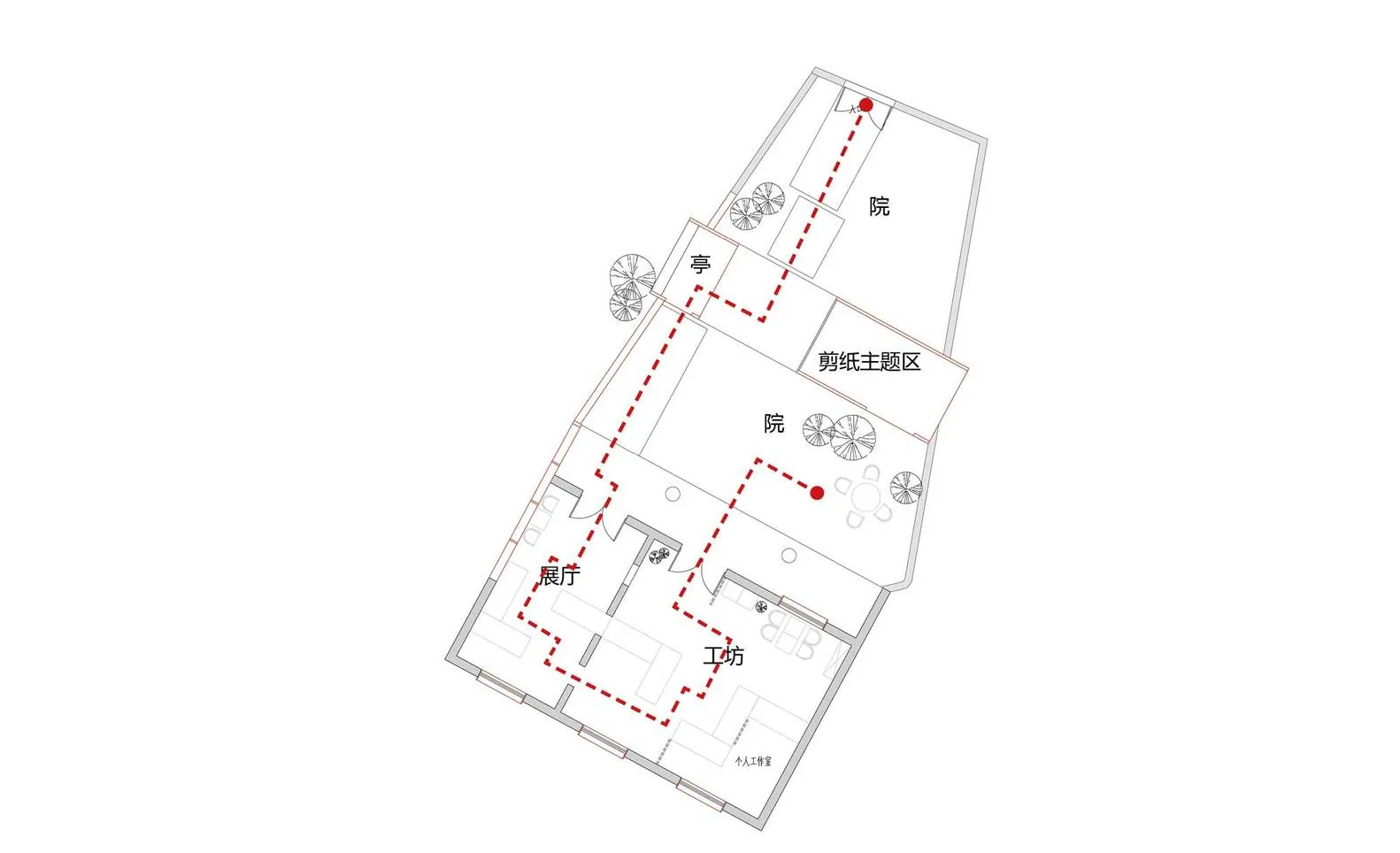
The first major project is the Paper-cut Art Workshop, originally a closed brick-wood building with an irregular courtyard. The architectural intervention sought to break the isolation of the original walls by using grilles that filter the scenery of Mei Lake, creating a silhouette effect that connects the interior with the landscape. The layout was reorganized into a sequence of spaces—including a front yard, a central pavilion, and an exhibition hall—that allows visitors to glimpse the lake while moving through the studio. This design mimics the layered nature of the paper-cutting craft itself, transforming a static gallery into a living extension of the village where residents can rest, enjoy the view, and engage with their non-heritage folk art in a natural, fluid environment.
The Book Bar: Material Reuse and Community Connection
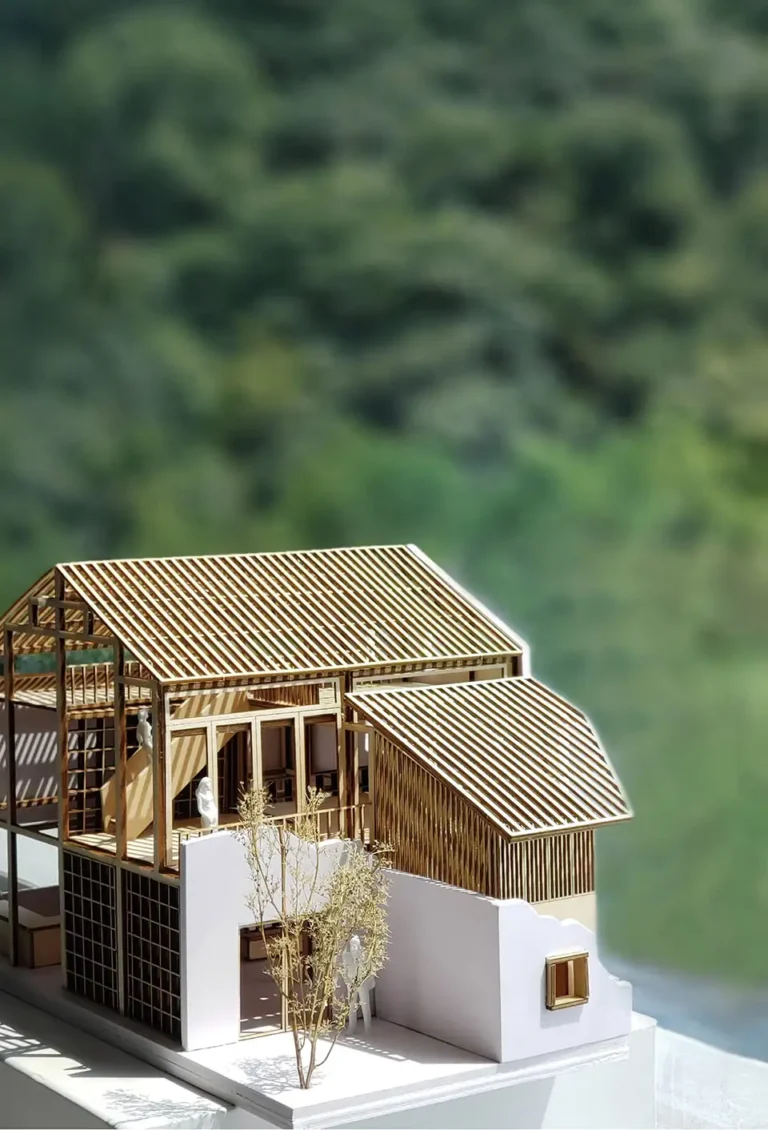
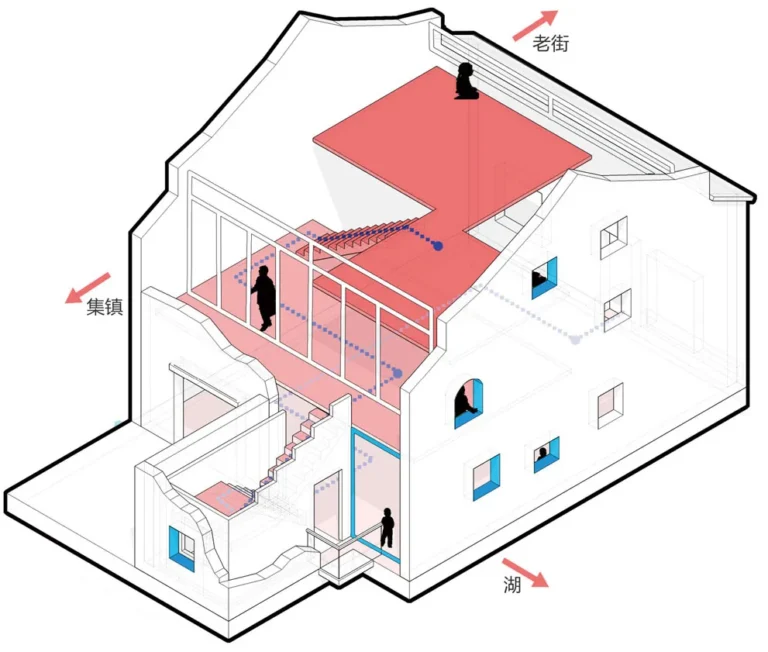
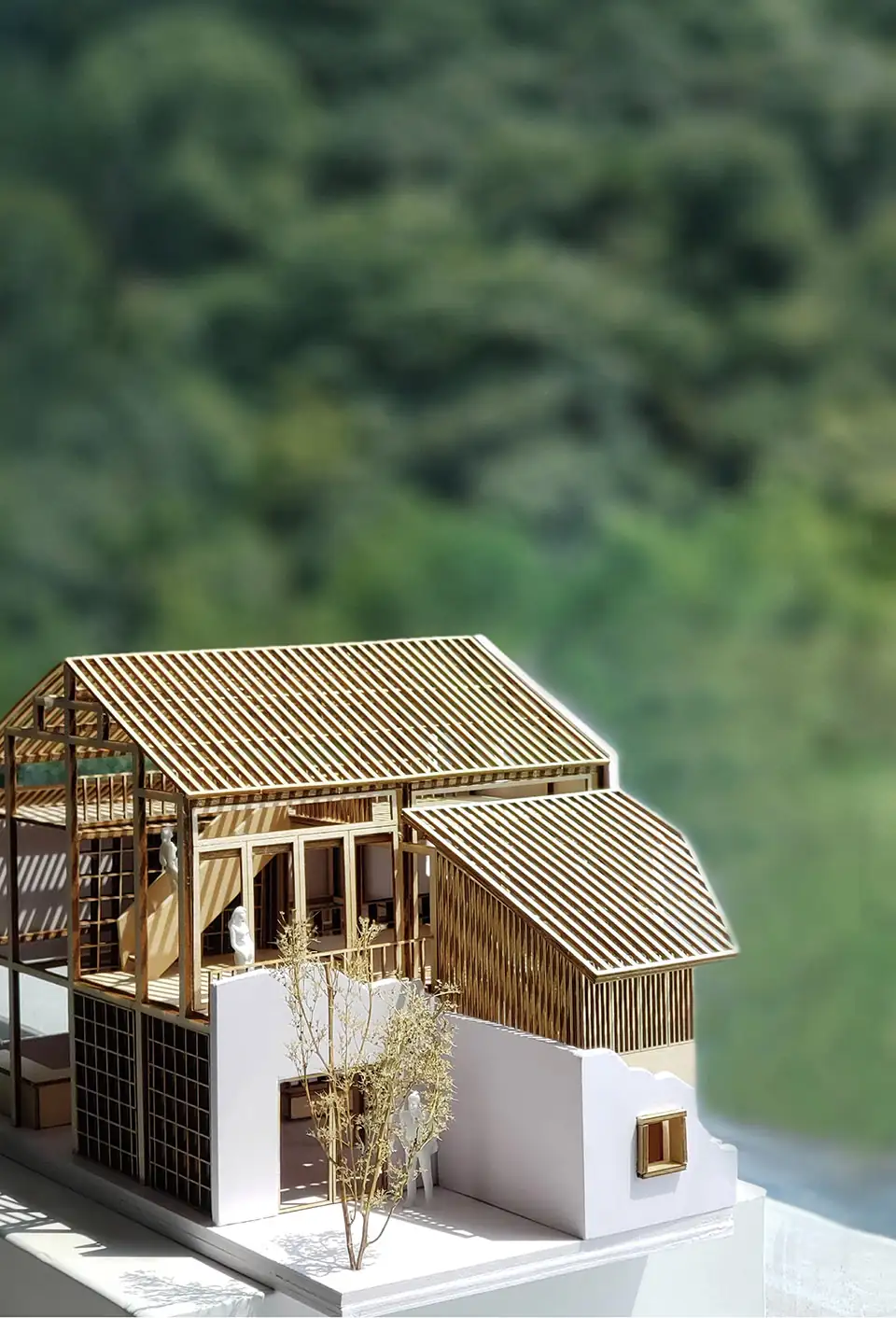
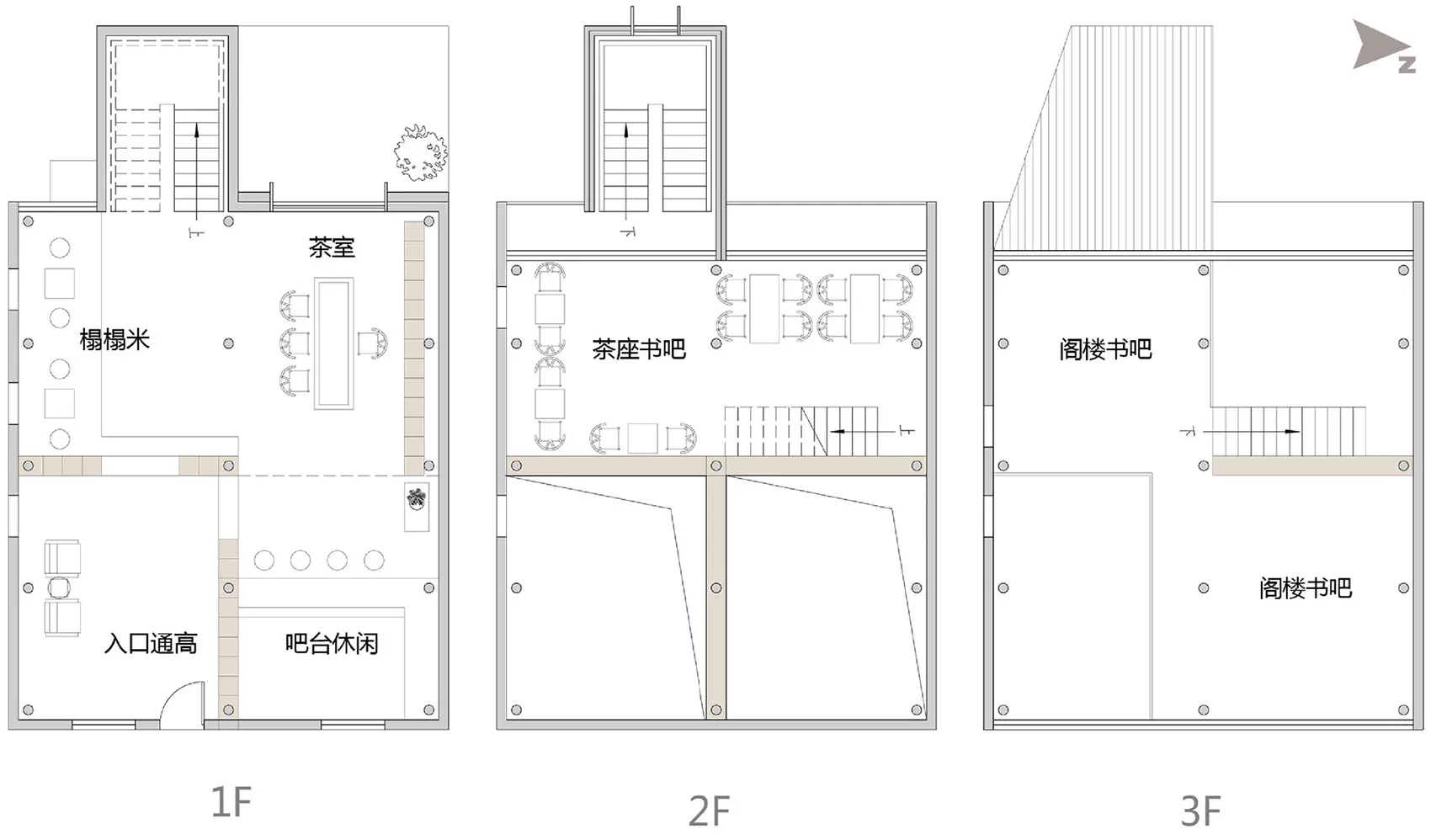
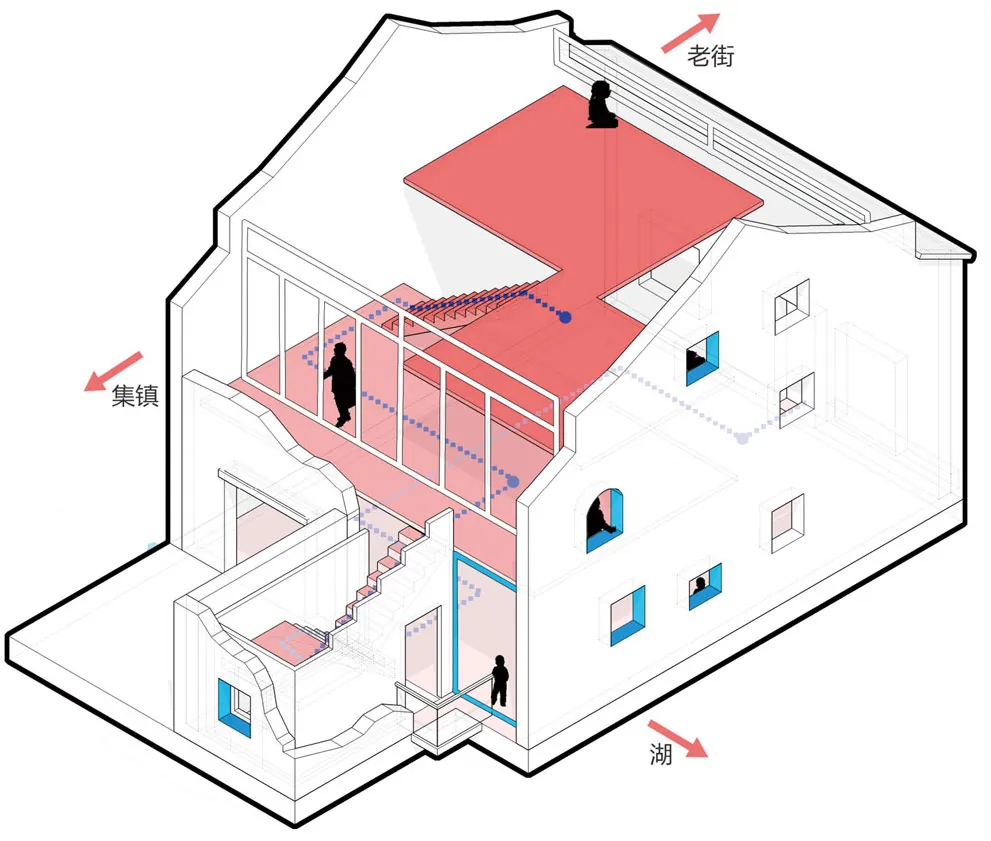
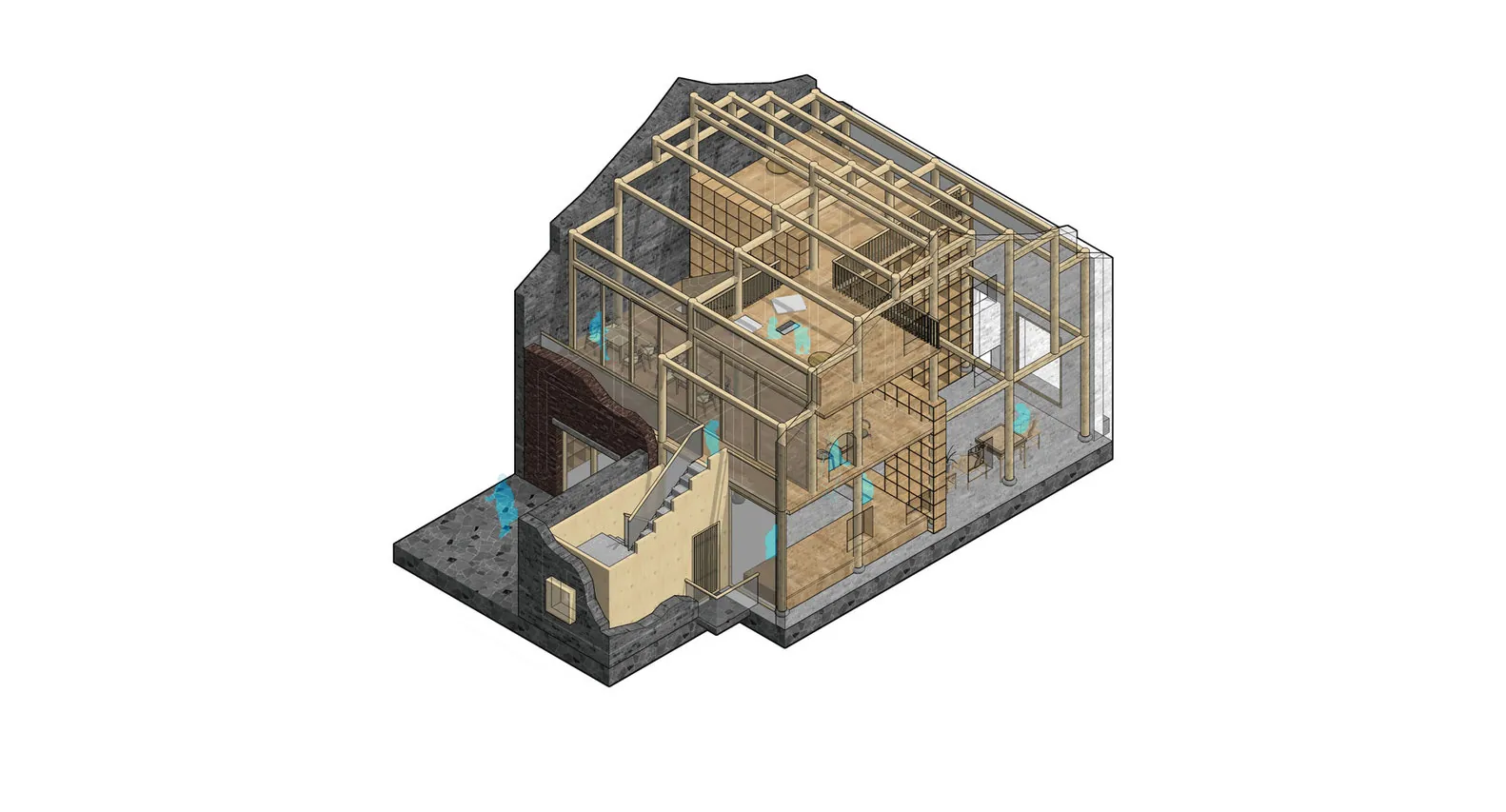
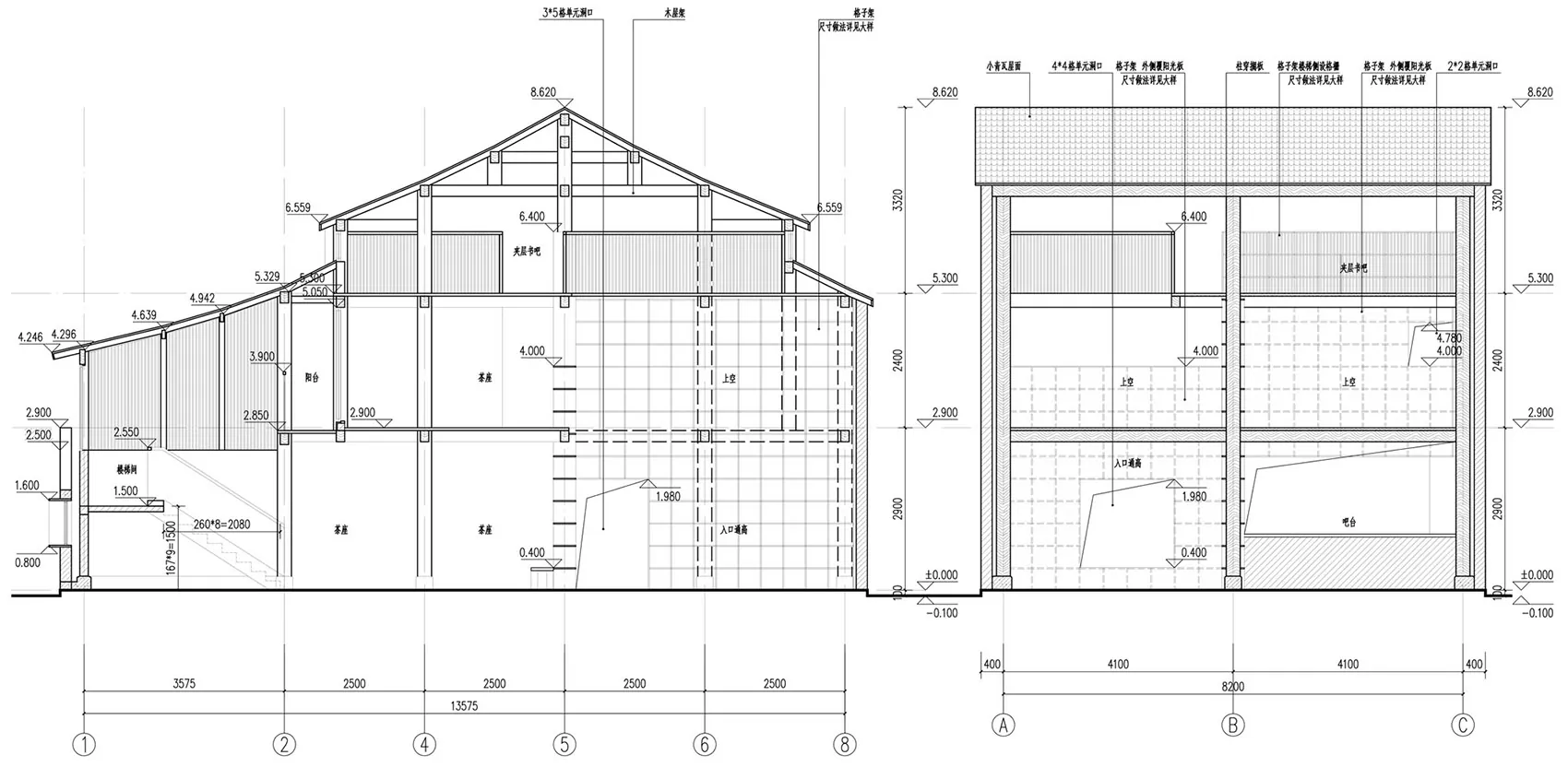
The second project involved converting a fragile, aging structure into a three-story Book Bar at a strategic lakeside corner. Emphasizing the “recycling and reuse” of materials, the design maintains a dialogue between the old timber structure and modern window openings that offer varied views of the traditional streets and the water. The interior is functionally divided to serve all age groups: the first floor acts as a social tea room, the second floor provides a quiet reading area, and the attic is dedicated to children’s books. By using familiar, “clumsy” materials like plain stone, rough steel, and logs, the building avoids the abruptness of over-urbanization, fostering a sense of belonging and poetic local aesthetics that encourage villagers to reconnect with their heritage.