Ancorar. Europan ’18. / Atzur arquitectura
Location: Felanitx, Mallorca, Spain
Software: Autocad, Sketchup, Lumion, Photoshop
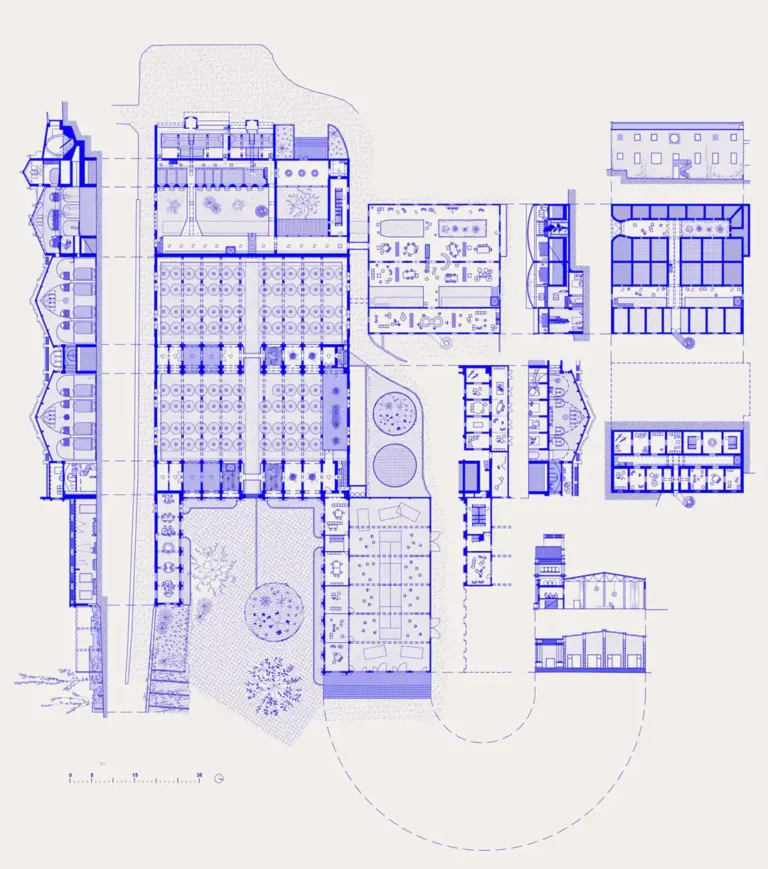
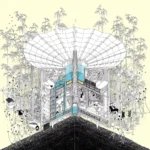
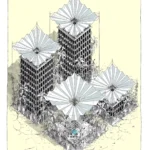
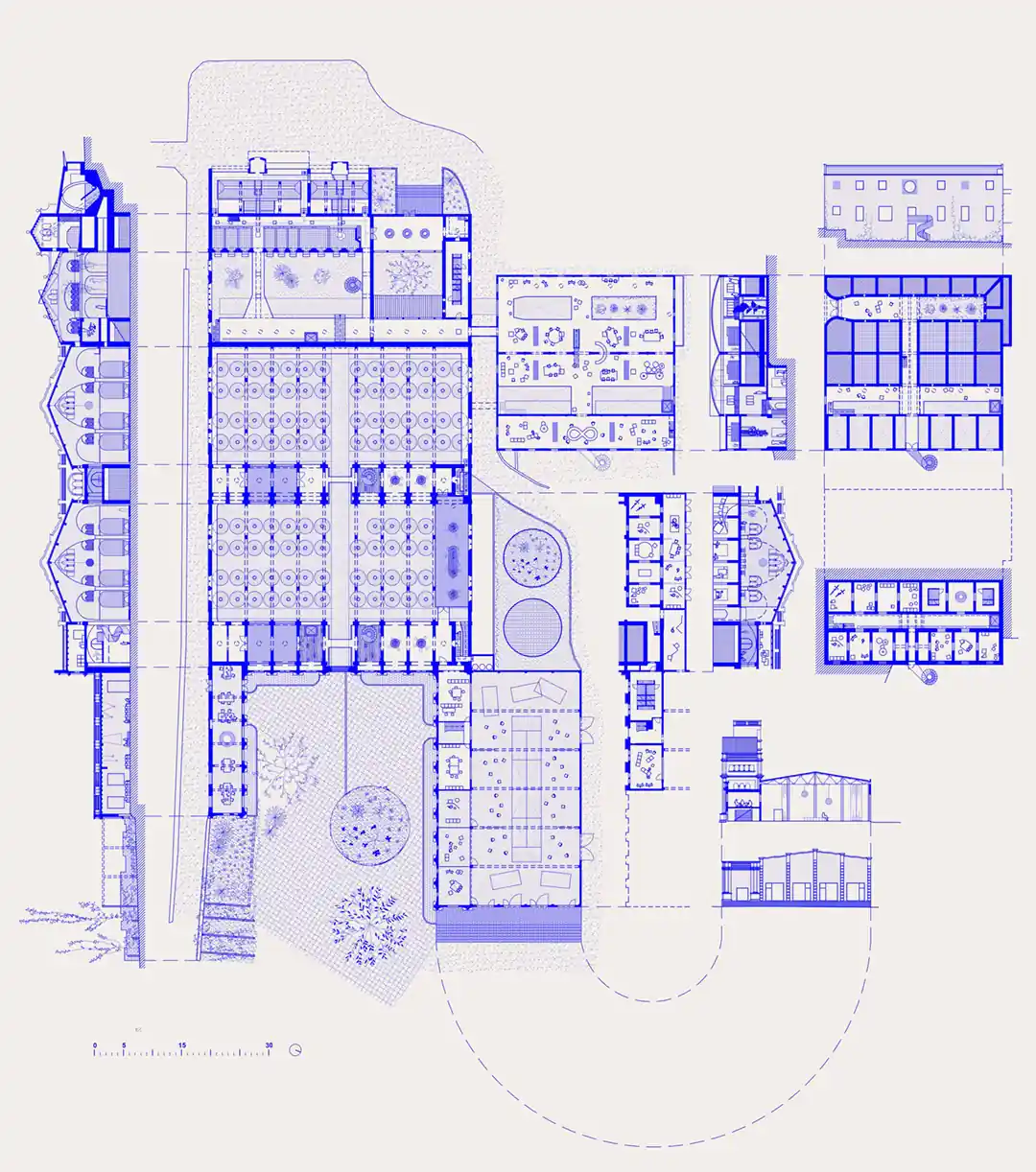
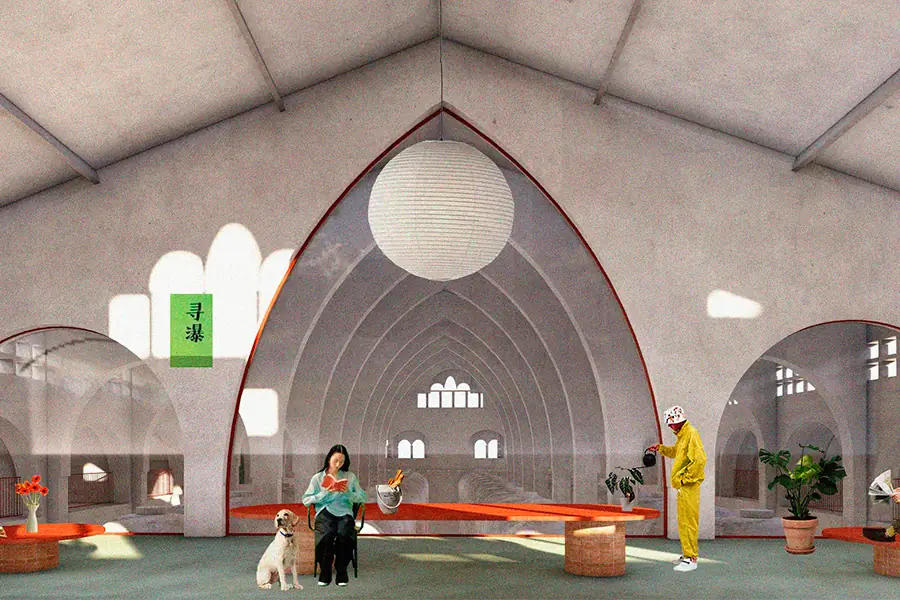
ANCORAR proposes the adaptation of the historic Sindicat building in Felanitx as a response to the challenges posed by the climate crisis. Through a resilient architectural and urban strategy, the project addresses both present and future environmental conditions while preserving the identity and collective memory embedded in the building. In a context defined by rising temperatures, decreasing rainfall, and increasing drought risk, the intervention prioritizes passive environmental strategies inspired by vernacular knowledge and the efficient use of local resources.
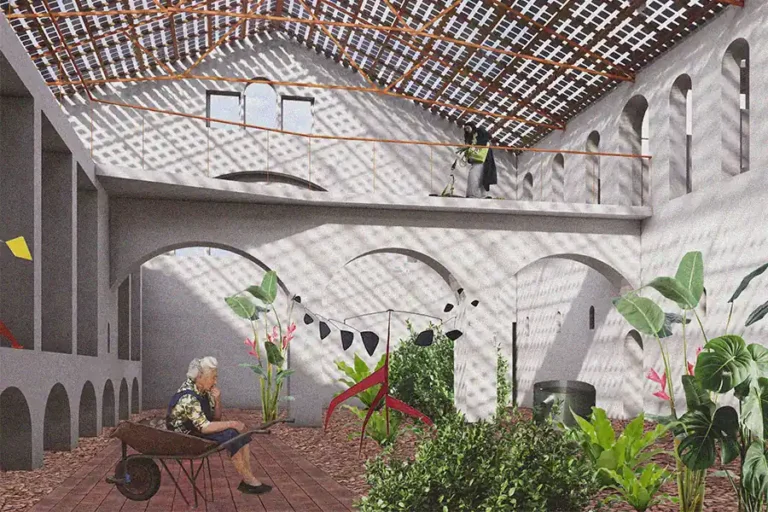
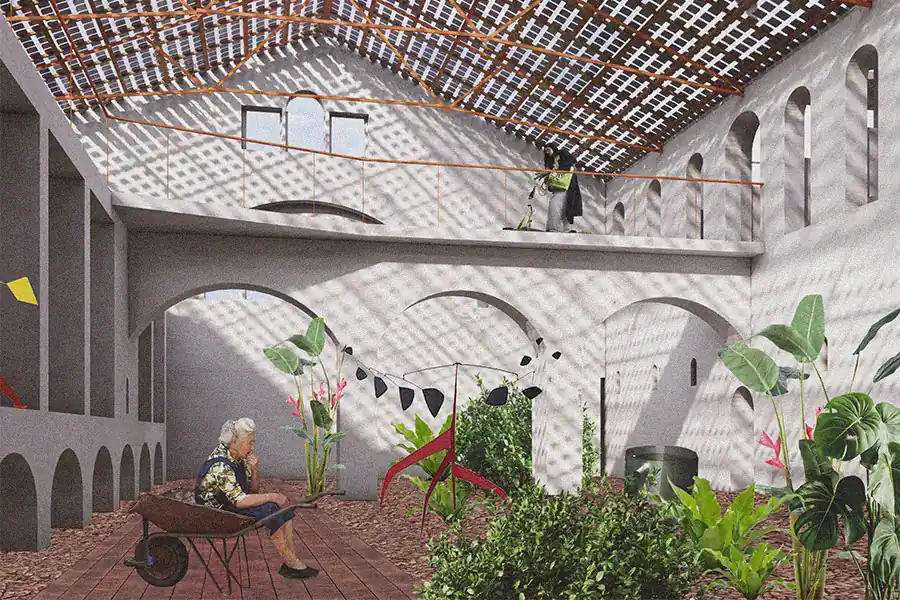
The project is structured around the four classical elements—water, air, fire, and earth—which serve as both a conceptual framework and an operational design strategy.Water management plays a central role in the proposal. Rainwater is collected and stored using the building’s existing tanks, which are preserved and integrated into the architectural intervention. Rather than remaining hidden infrastructure, these elements become visible components of the spatial experience. Stored water is reused to irrigate new green areas, while excess water flows through the building and into the surrounding public space, contributing to the creation of microclimates and helping mitigate the urban heat island effect in Felanitx.
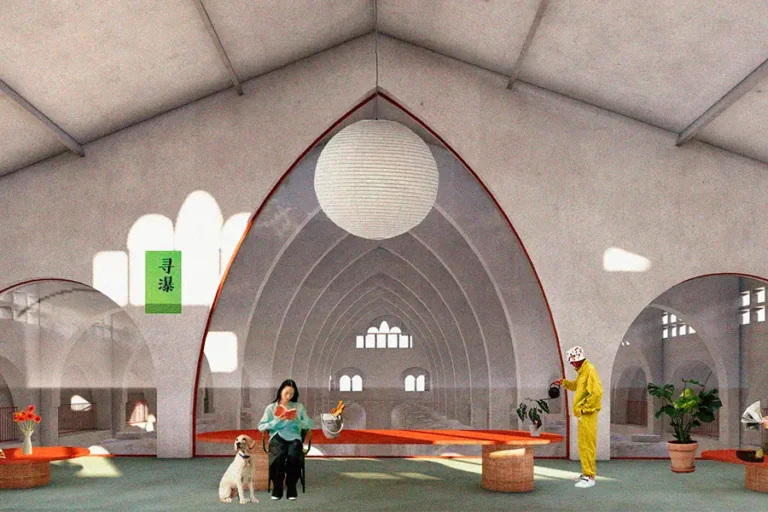
Air becomes an active architectural element through passive ventilation strategies inspired by traditional systems such as the Malqaf. The project takes advantage of the Embat, a prevailing sea breeze that characterizes the region during spring and summer, allowing natural airflow to pass through the building. Combined with evaporative cooling processes linked to the stored rainwater, this system significantly improves indoor thermal comfort while reducing the need for mechanical cooling.Fire represents the building’s energy strategy. Energy demand is minimized through passive design measures, while renewable energy is generated through photovoltaic panels installed on the roof of the former pressing room. This roof is conceived as a movable element capable of adapting to seasonal conditions: functioning as a greenhouse in winter and as a naturally ventilated space in summer.
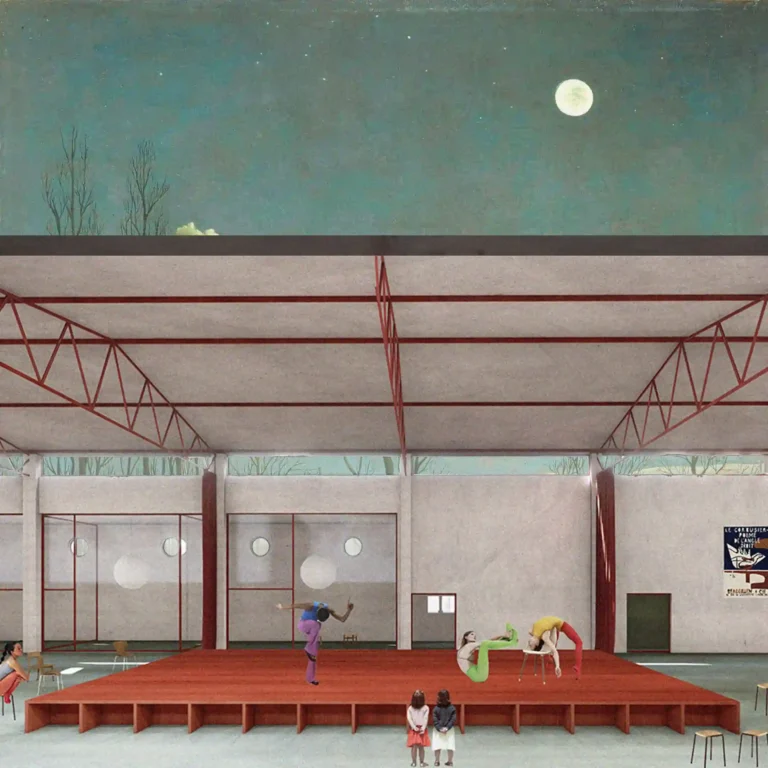
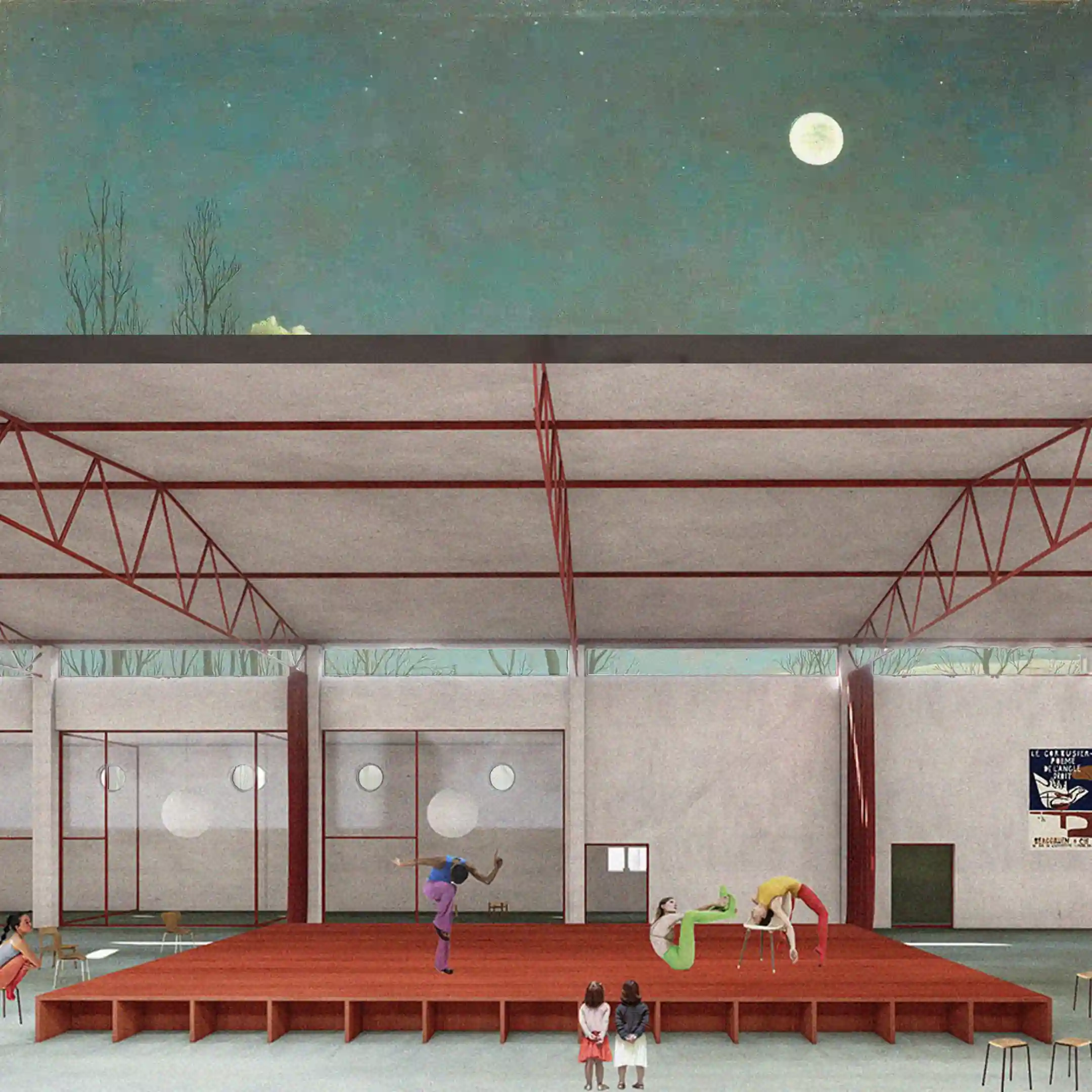
Earth is expressed through material choices. The intervention prioritizes local, natural, recycled, and reused materials, including locally produced ceramic elements and sustainably sourced wood, reinforcing the connection between architecture and territory. New additions are unified through a single color, clearly distinguishing them from the existing structure without competing with it.By recovering the productive spirit that once defined the Sindicat, ANCORAR reinterprets its legacy through a contemporary lens, transforming it into a dynamic civic space where sustainability, architecture, and collective memory converge.