Dunbar Maritime Culture House
Location: Dunbar, Scotland
Project: Cultural Architecture
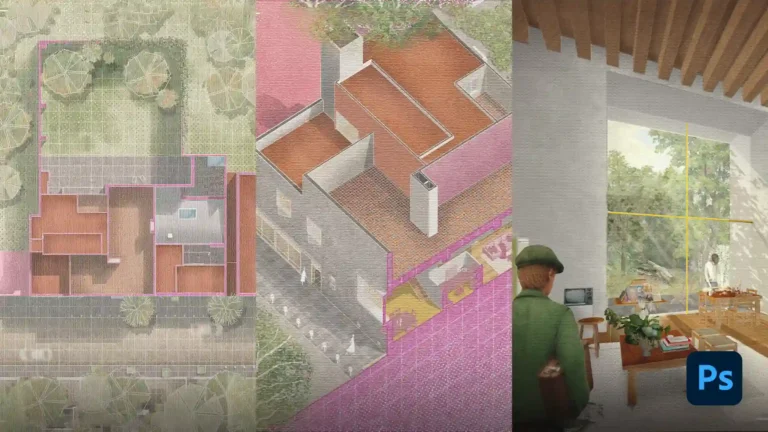
Software: Autocad, Rhino 3d, Photoshop, Illustrator
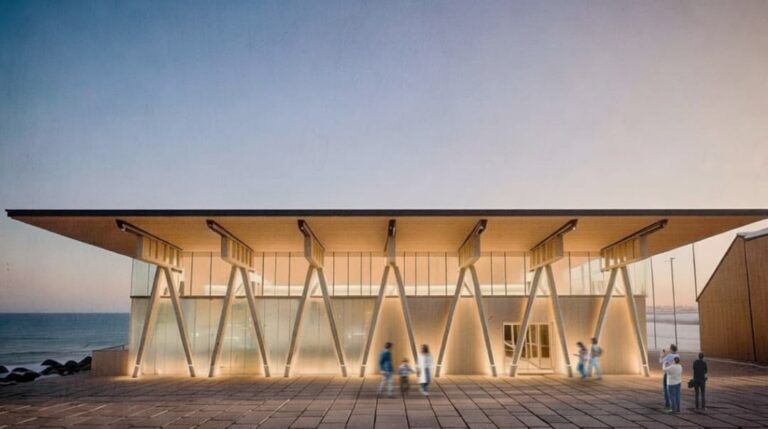
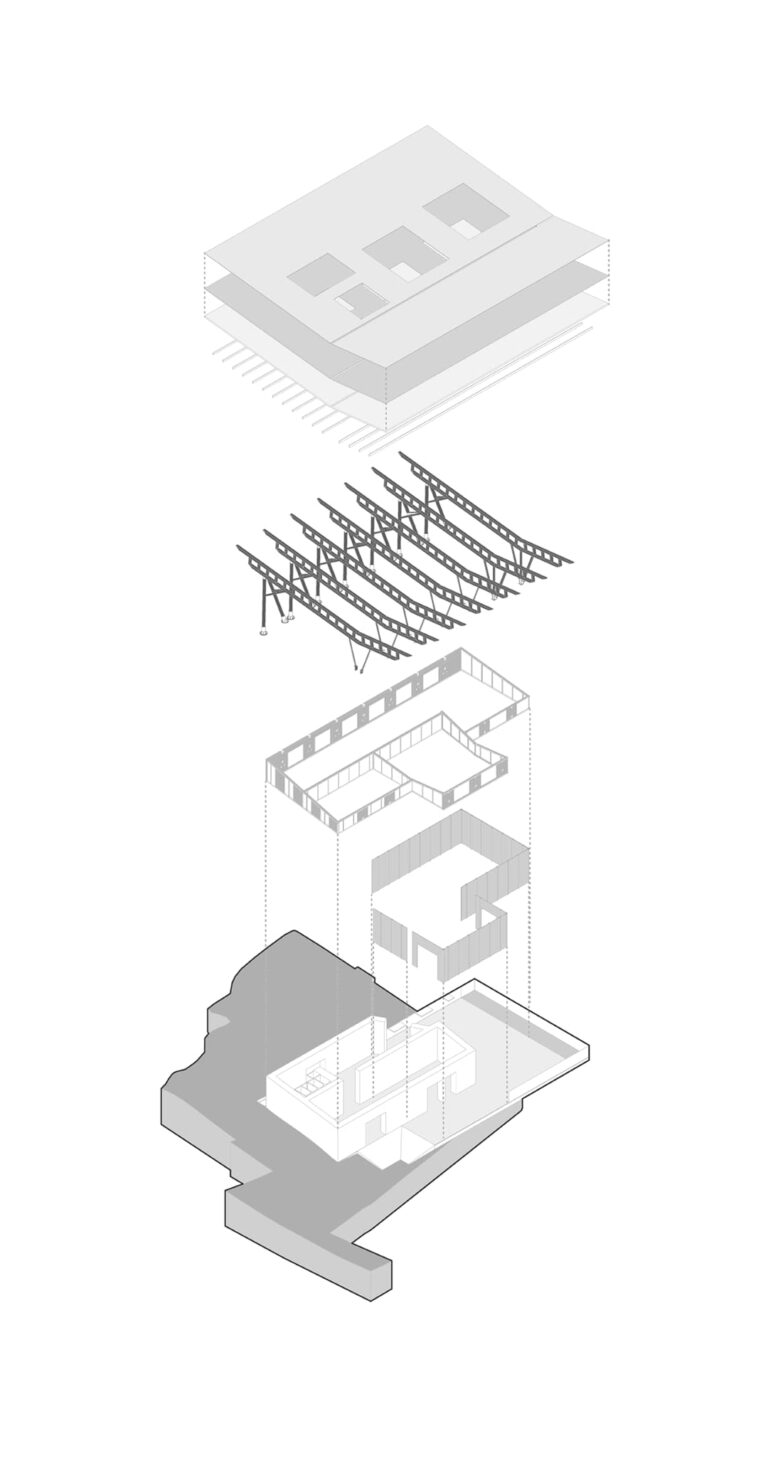
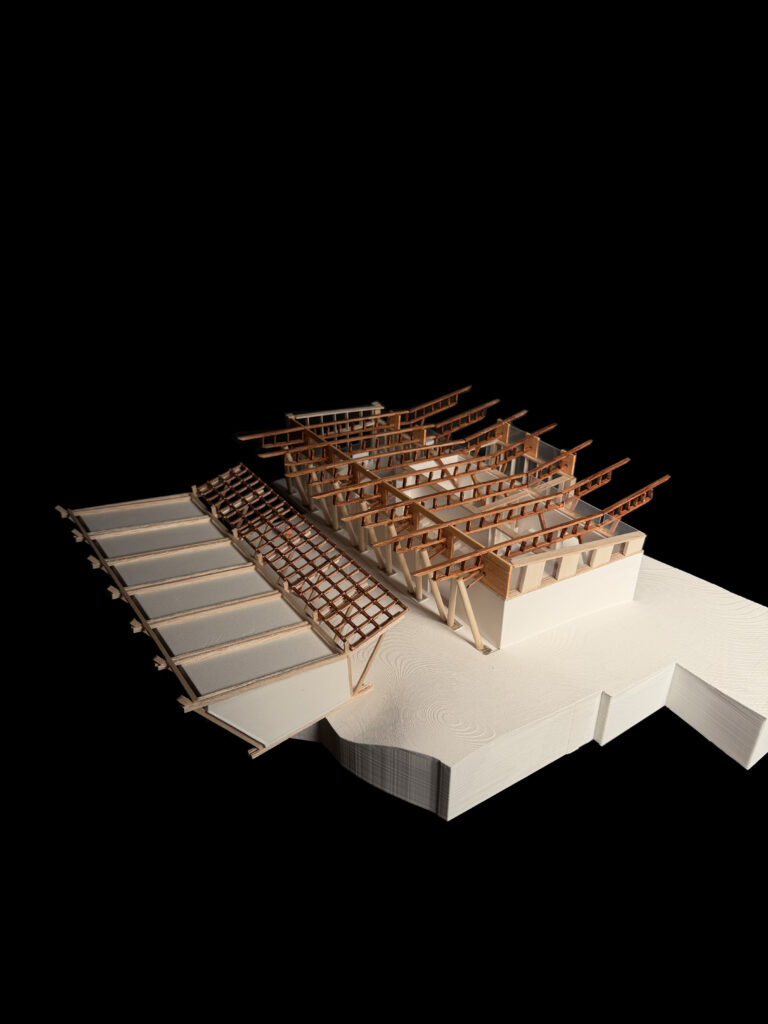
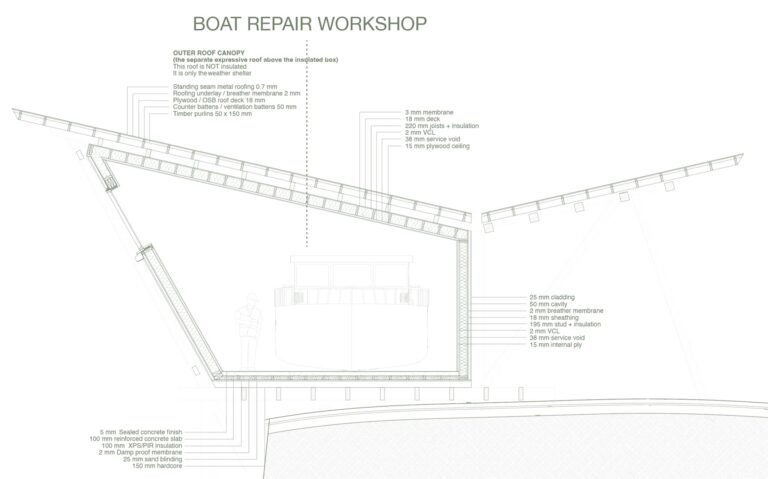
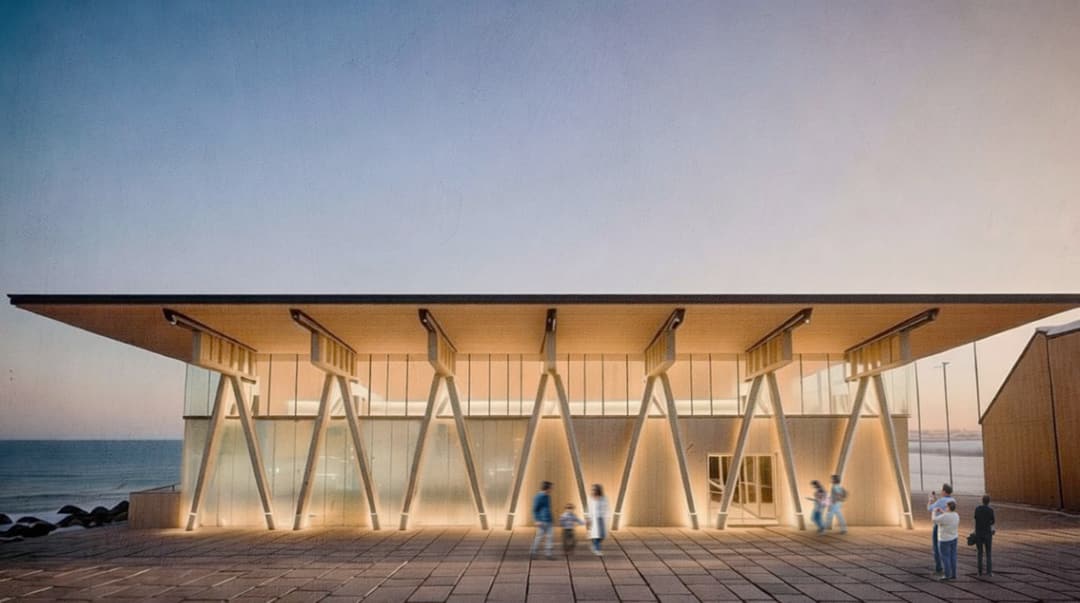
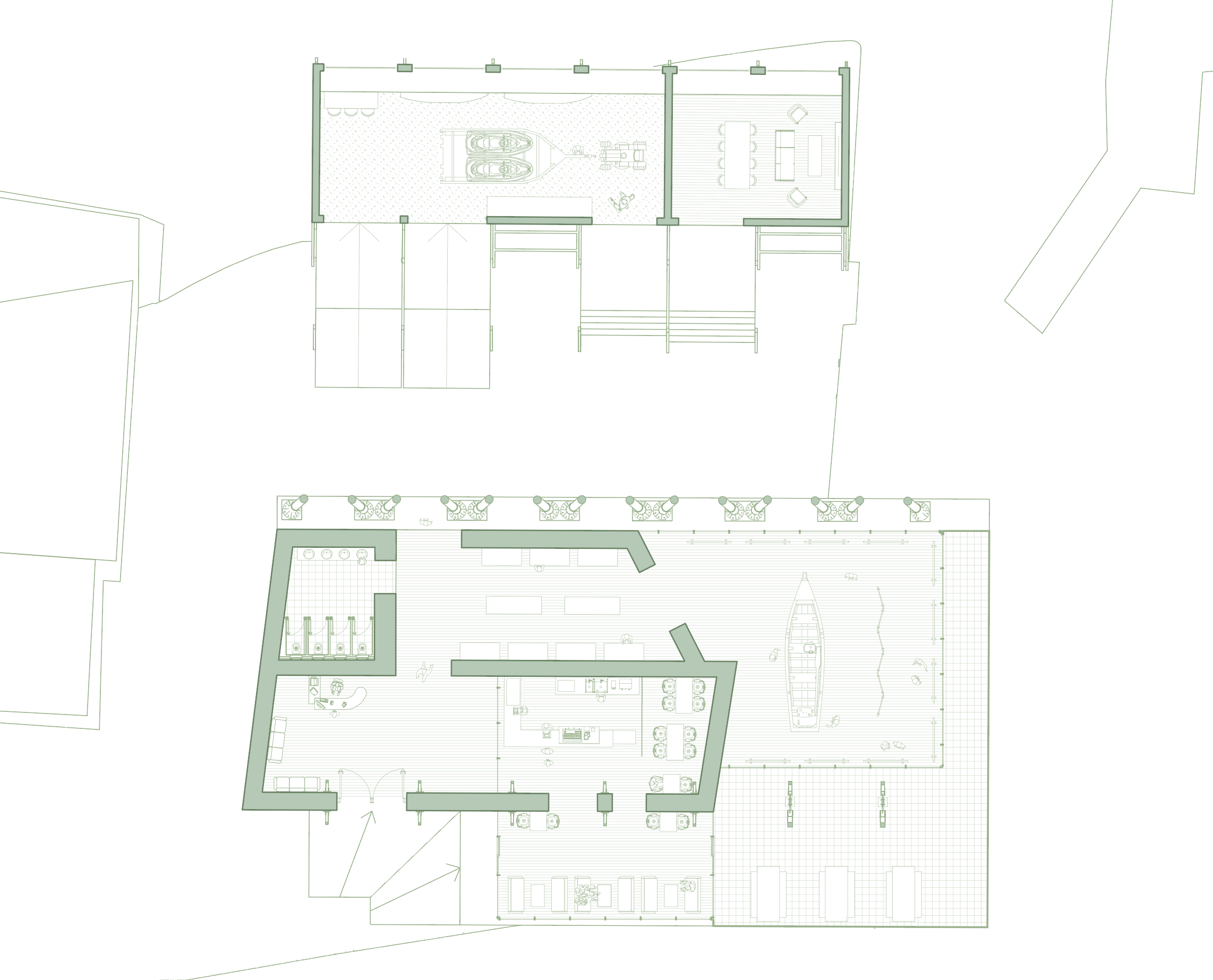
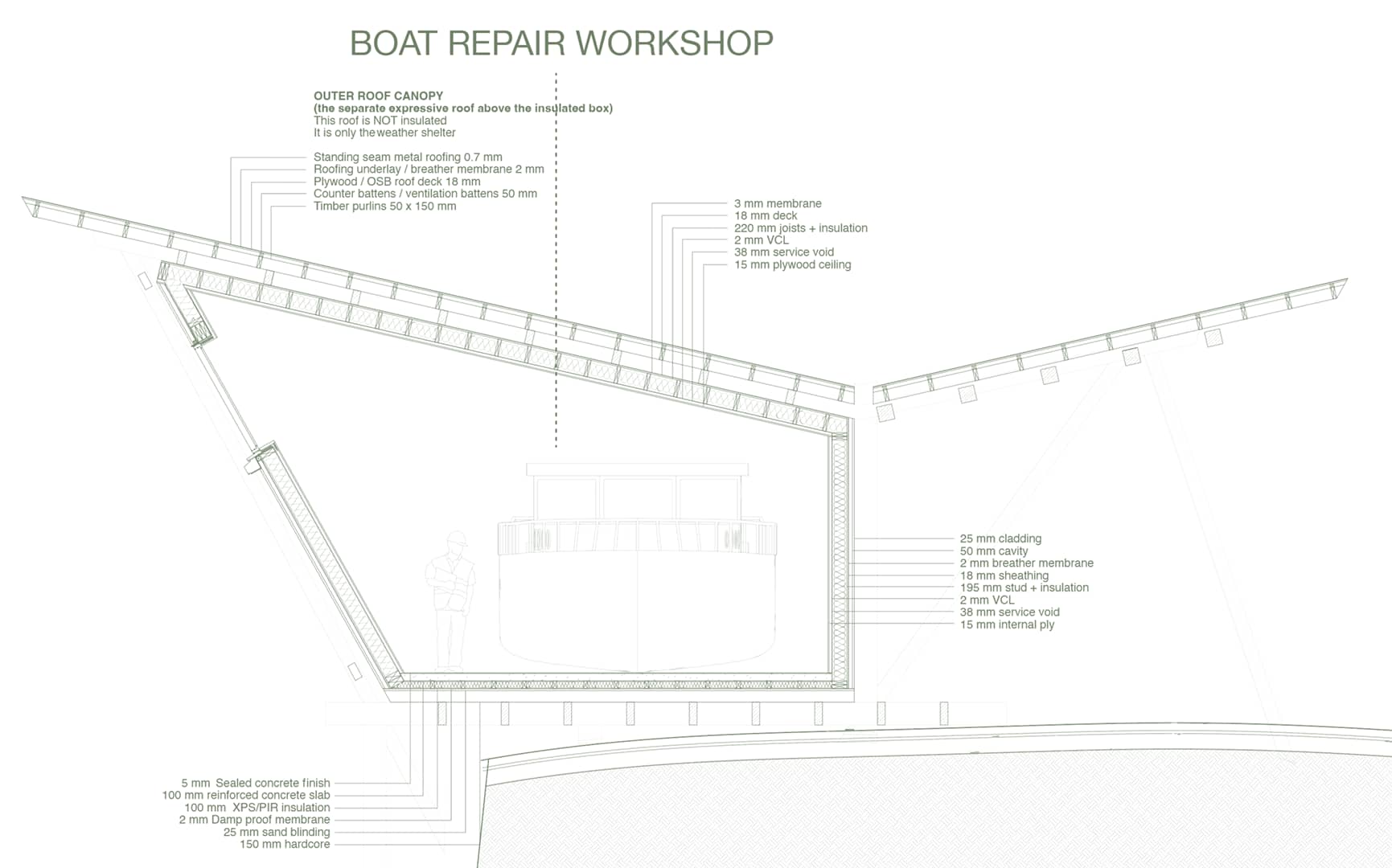
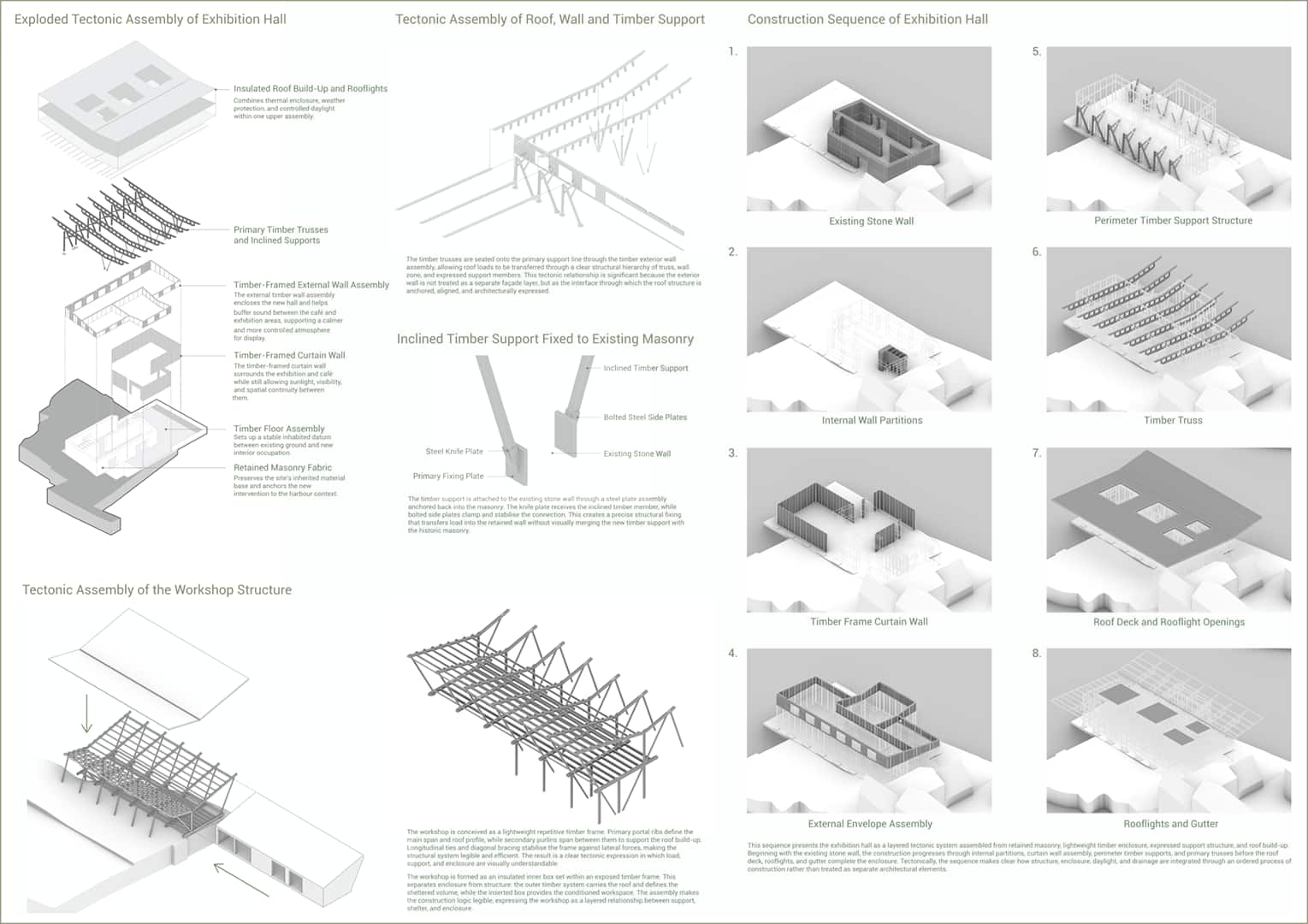
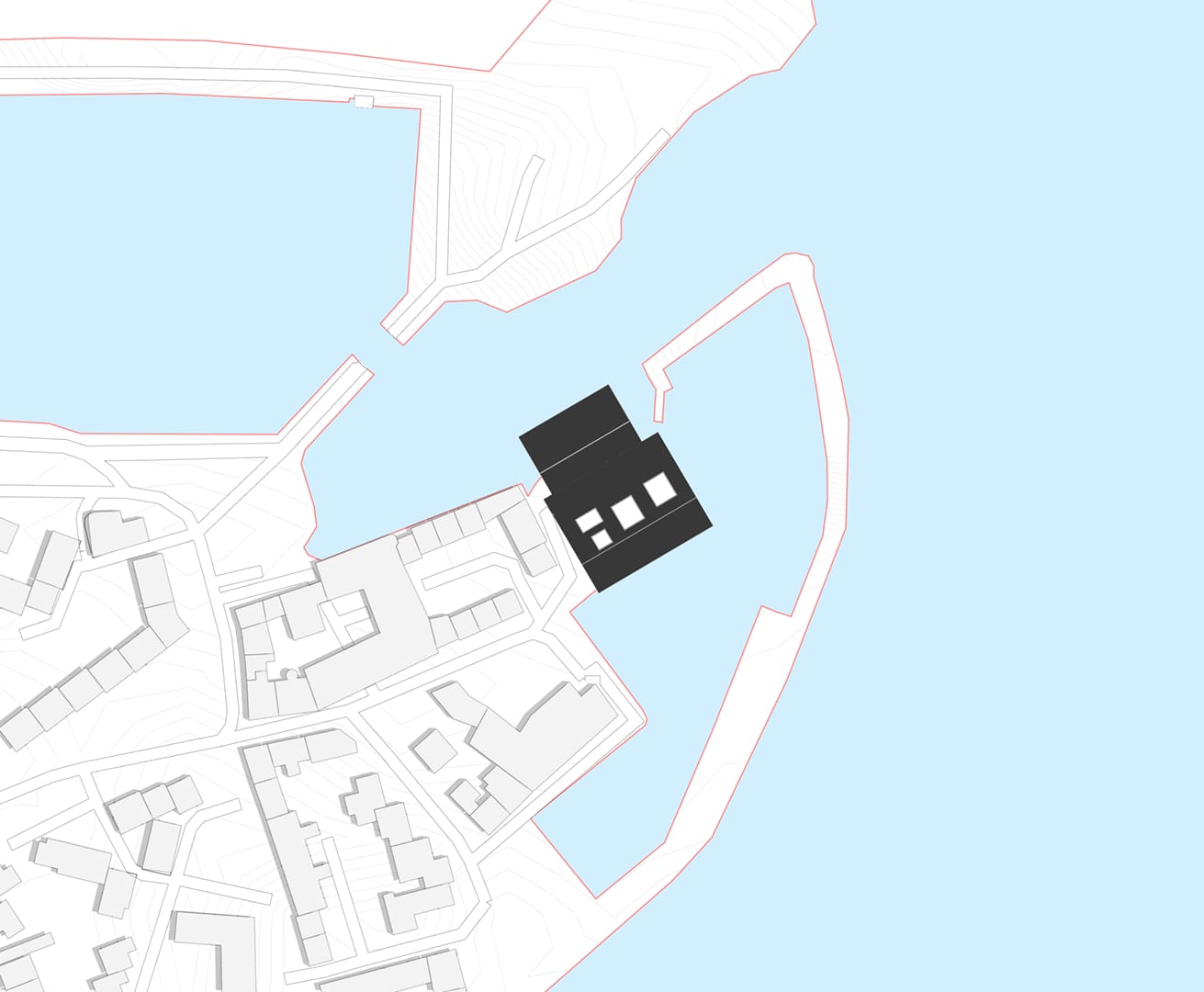
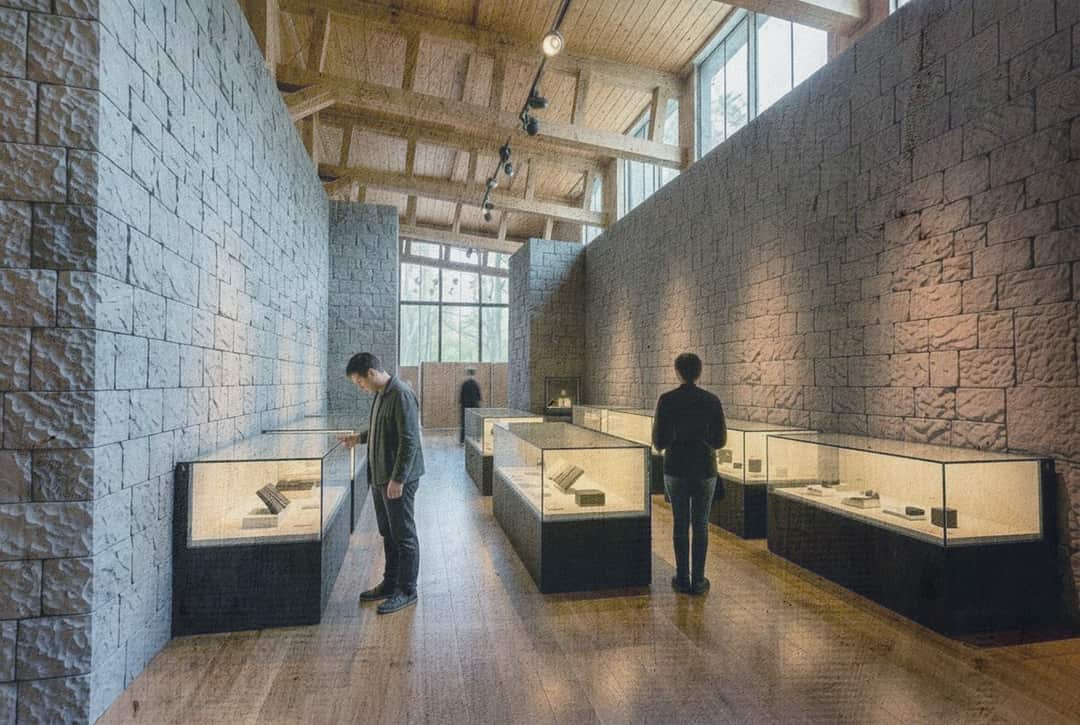
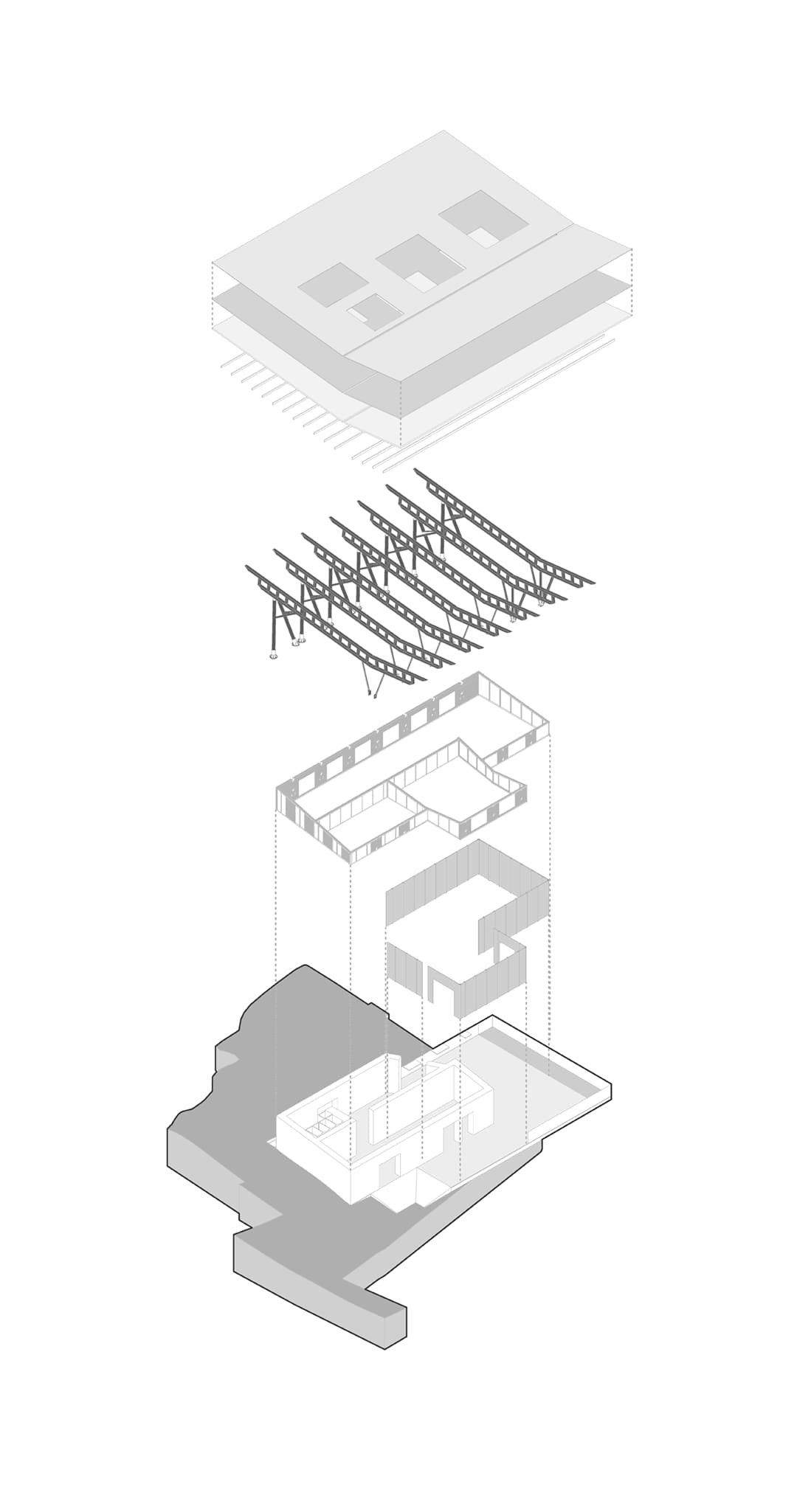
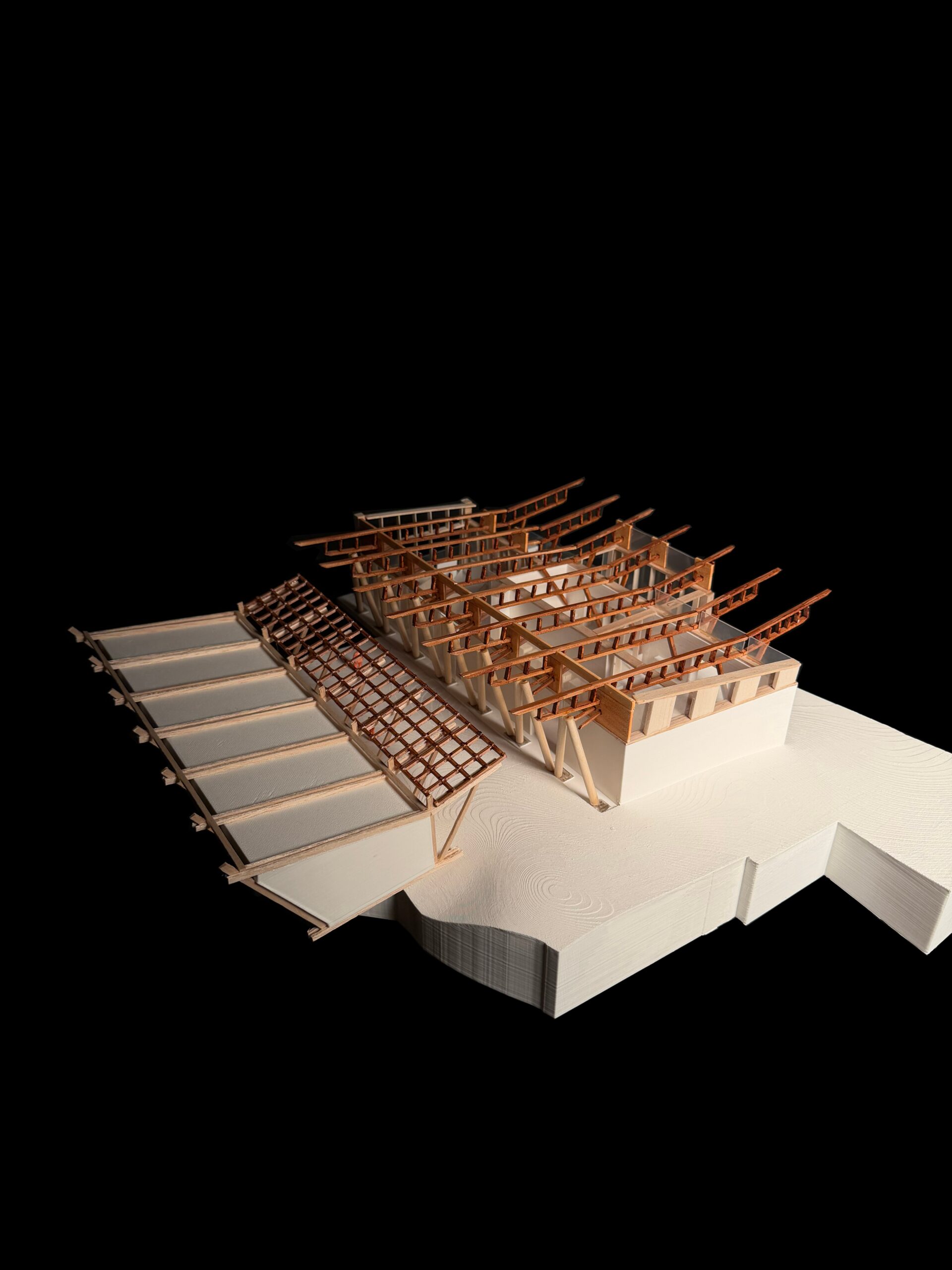
The Dunbar Maritime Culture House is proposed as a contemporary civic building rooted in the working harbour, combining maritime craft, cultural interpretation, and social gathering within a protected waterfront setting. Positioned on an exposed peninsula edge, the project responds to Dunbar’s strong coastal climate through two one-storey volumes arranged to create a wind-buffered courtyard and a semi-covered public threshold. The proposal brings together a working layer of boat repair, net mending, archive and tool storage, a cultural layer of exhibition and storytelling, and a social layer of café, event space and harbour-facing gathering areas. Rather than operating as a static museum, it is conceived as a living maritime institution that supports local identity, public engagement and year-round use. The project is organised through three interrelated programme layers: working, cultural, and social.
The project was developed in response to The Ridge SCIO, a Dunbar-based social enterprise whose work centres on repair, training, community support, and local participation. Understanding the client meant recognising that the proposal should not operate as an isolated cultural building, but as a working civic space that supports making, learning, gathering, and public engagement at the harbour edge.
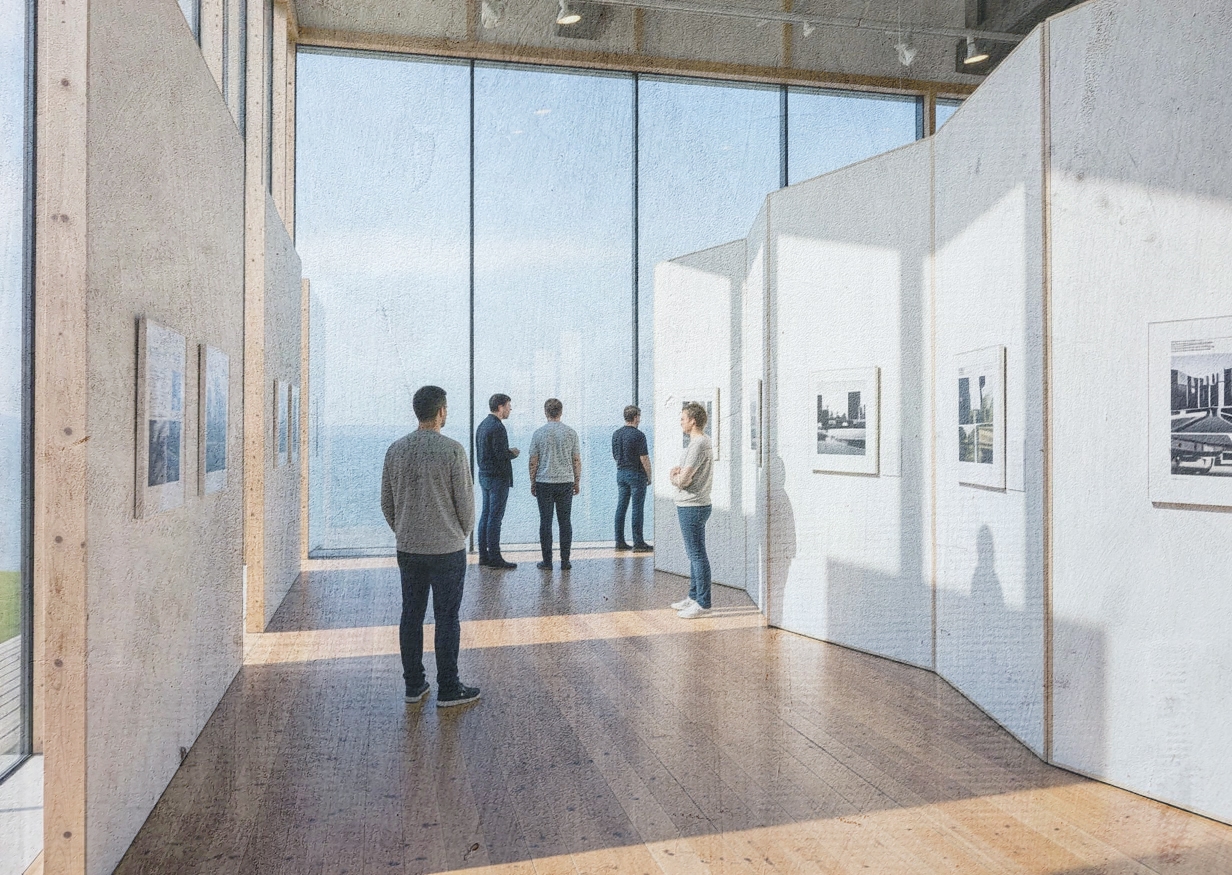
Working Layer: Grounded + Honest This layer keeps maritime labour visible within the project, ensuring that the building supports living craft and working knowledge rather than representing heritage as something detached from present-day harbour life.Cultural Layer: Interpretation + Reflection This layer interprets Dunbar’s North Sea fishing heritage through exhibition, image, sound, and storytelling, allowing local memory and maritime identity to be shared with both residents and visitors.
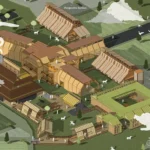
Social Layer: Gathering + Memory This layer establishes the project as a civic gathering place, extending beyond exhibition to support everyday occupation, seasonal events, and public life along the harbour edge.Early massing studies tested whether the project should be resolved as a single harbour block or as two smaller one-storey volumes. The split-volume proved stronger because it framed views to the sea, created a central public courtyard, and allowed the west-facing volume to buffer prevailing W/WSW winds.